

SiliconANGLE theCUBE · Nov 23, 2026 · 34m · 25m saved
With Vijay Basani, CEO and Co-Founder of Emulate AI
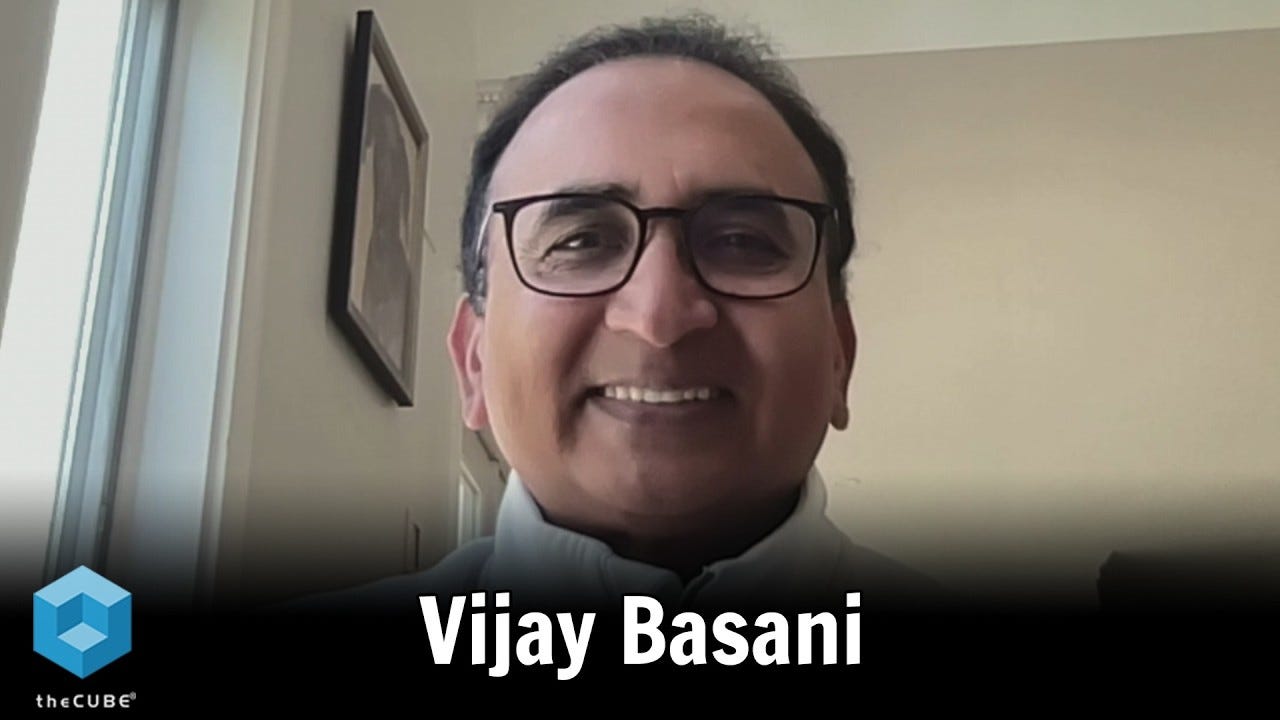
Vijay Basani, CEO and co-founder of Emulate AI, told theCUBE's The Cybersecurity Bridge that companies typically take 30 to 60 days to fix a security flaw, while attackers now need only a few hours to exploit one.
Most companies still hire people to test their defenses once a quarter or once a year. Vijay's company sells an AI system that attacks a customer's own networks continuously, at machine speed.
"The typical mean time to respond or fix is 30 to 60 days, while today's mean time to exploit is down to a few hours, and that is not a good situation to be in. The only way to address that is machine-speed response time." — Vijay Basani
Vijay runs the company building that AI attacker, and he expects it and tools like it to take over most of the penetration-testing market within two years.
The full interview is covered here so you can skip it. 34 minutes of audio, 9 minutes of reading.
Here are the 13 calls that matter.
Key Takeaways
Attackers using AI have compromised websites for about $50 each, in one case Vijay cited
Fixing a flaw takes 30 to 60 days, while exploiting it takes a few hours
A quarterly or yearly pen test is out of date by the time its report arrives
Vijay expects most pen testing to go autonomous within 12 to 24 months
Experienced pentesters gain 10x leverage, while middleman pen-testing firms lose out
The CISO, not the compliance team, should drive adoption, because compliance does not guarantee security
1. An AI Hacker for Defense
Emulate AI is a software-as-a-service company that builds what Vijay calls an AI hacker. It attacks a customer's networks, applications and infrastructure the way a real attacker would.
Emulate AI's system finds exploitable weaknesses and proves they can be exploited
"We build an AI hacker that basically simulates the real-world hacker and, in a good way, attacks the networks and applications and the infrastructure to identify potential exploitable weaknesses... and provides the proof, so that the engineering teams and the security teams can understand exactly what the nature of the weakness is." — Vijay Basani
The system also gives guidance on fixing each weakness, and in some cases writes the fix into the source code itself.
