

CNBC Television · Oct 7, 2026 · 18m · 9m saved
With Avi Kalichstein, Co-Founder and CEO of Hunter Point Capital
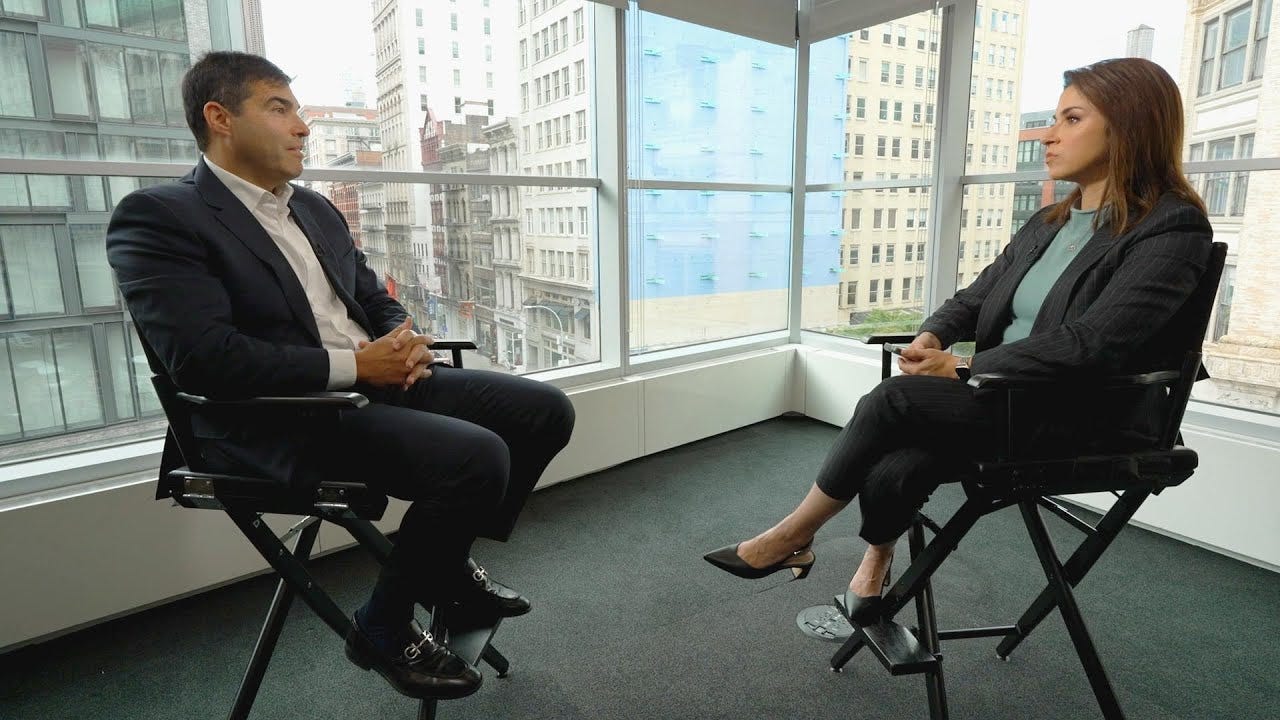
Hunter Point Capital is in dialogue with about 600 alternative asset managers, and Avi Kalichstein said they are seeing private equity deal activity thaw after years of little cash coming back to investors.
Most of the attention on private credit has gone to retail redemptions. Kalichstein said the companies private credit funds lend to are mostly doing well, and that the selling by individual investors in interval funds is not finished.
"I think a lot of the headline noise, and we're still not through, the elephant is still being digested by the snake, if you will." — Avi Kalichstein
Avi Kalichstein, Co-Founder and CEO of Hunter Point Capital, on CNBC Television, runs a firm of about $10 billion in assets that buys minority stakes in alternative asset managers, which gives it a view into hundreds of private equity and credit firms.
The full interview is covered here so you can skip it. 18 minutes of audio, 9 minutes of reading.
Here are the 10 takeaways that matter.
Key Takeaways
Retail redemptions from private credit interval funds are not over, and need "another few quarters" to pass
The businesses private credit lends to are mostly doing well, he said, because the economy is strong
Higher rates hurt private equity deals but help floating-rate private credit
Private equity is thawing, and he does not think it is a temporary blip
Managers now sort their portfolios into 3 groups by AI risk: largely immune, in danger, and in between
Somebody will overinvest in data centers, he said, so Hunter Point avoids exposure it cannot understand
More consolidation among alternative managers, not dozens of IPOs, is what he expects
1. The Strong Get Stronger
The interviewer said Hunter Point's network covers 500 general partners and 3,000 limited partners worldwide, and asked which strategies are working.
It is the firm that matters, not the strategy, Kalichstein said
"So, I would say the strong are getting stronger from what we're seeing from our network, and that doesn't necessarily mean that the bigger getting bigger" — Avi Kalichstein
He named L Catterton, an expert in consumer investing with brands such as Flexjet, as the kind of firm that has an important place in investors' portfolios.
Not niche, but special
Special can mean how a firm finds deals, what it changes in a business after it invests, or the access it has, he said. His example was Nuveen Private Capital, a business ultimately owned by TIAA.
"So we made an investment, we're the only firm invited to participate in this business that's ultimately owned by TIAA." — Avi Kalichstein
He said Nuveen Private Capital is large, not niche, and is special because of its products, its access and its people.
