

Forbes · Nov 6, 2026 · 47m · 39m saved
With Rob Sharps, CEO of T. Rowe Price · John Waldron, COO & President of Goldman Sachs · Glenn August, CEO of Oak Hill Advisors
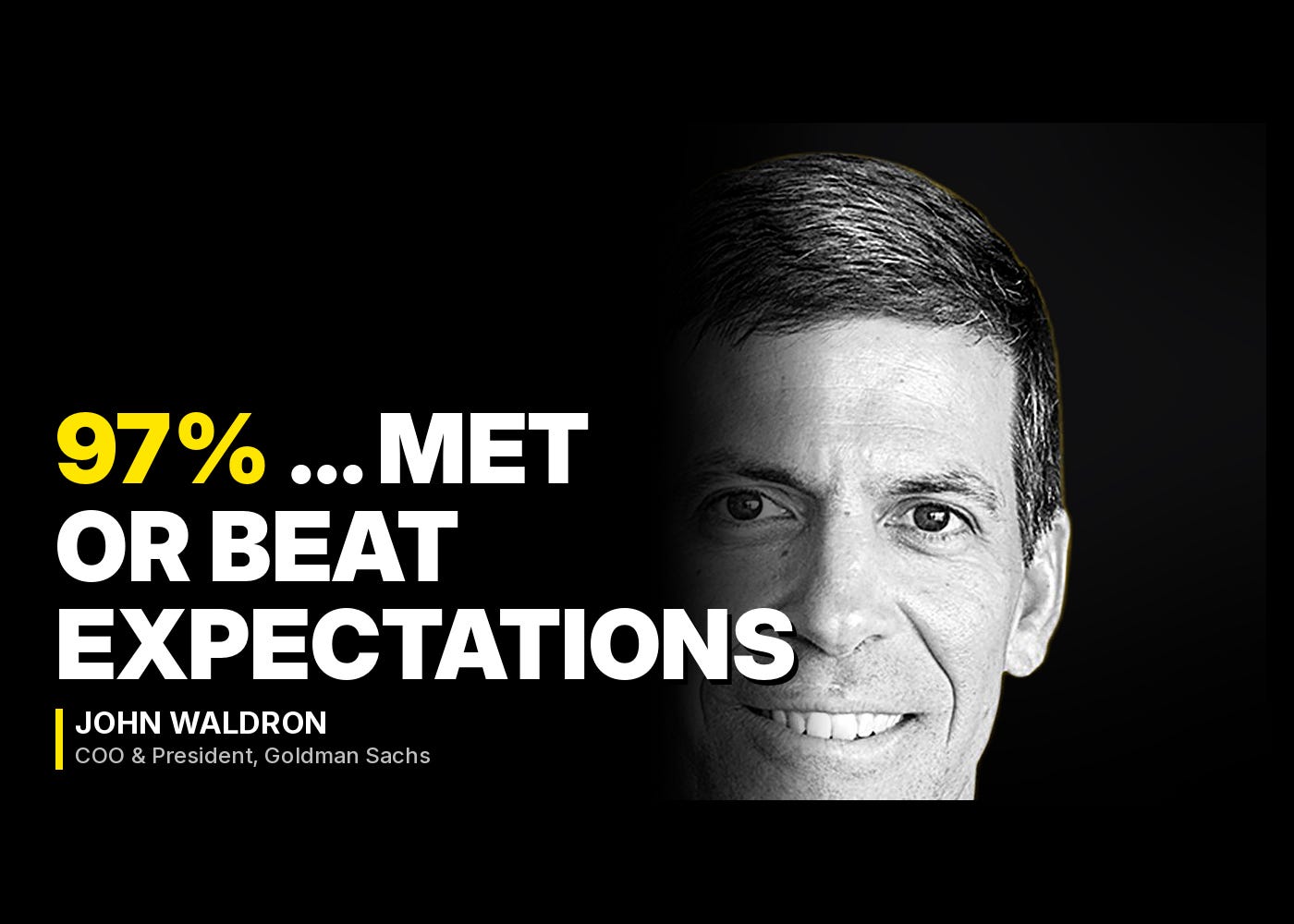
Photo via fortune.com
Private markets are an estimated $25 trillion asset class that, until recently, belonged almost entirely to endowments, pensions and sovereign wealth funds. Goldman Sachs's own stake of up to $1 billion in T. Rowe Price last year marked that starting to change. Maneet Ahuja, a Forbes editor at large who hosts the Iconoclast podcast, put the three executives behind that shift on one stage at the CAIS Summit in Beverly Hills.
"We felt the go-to-market window was relatively narrow, and the opportunity to partner with a great partner like Goldman... seemed like something that was too good to pass up." — Rob Sharps
Rob runs T. Rowe Price, which manages trillions in public-market assets; John is Goldman Sachs's president and chief operating officer; Glenn has run Oak Hill Advisors, a private-credit manager, since 1987.
The full episode is covered here so you can skip it. 47 minutes of audio, 8 minutes of reading.
Here are the 8 calls that matter.
Key Takeaways
The number of US public companies has halved in two decades, pushing more investment value into private hands
Private credit is also taking share directly from banks
97% of existing alts owners say the investments met or beat expectations, against roughly 70% of non-owners who call them high risk
Ten stocks are 40% of the S&P 500, and tech alone is about 50%, concentration John Waldron says investors underweight when they shun "risky" alternatives
$150 billion of triple-C-rated debt matures within three years, which Glenn August frames as a restructuring opportunity rather than a warning sign
Only 9% of the liquid loan market trades below 80, near historical norms, which Glenn says means this year's private-credit panic was overdone
Evergreen fund structures are turning out to attract institutional money too, not just wealth clients, because they cut the cash drag of a traditional drawdown fund
Rob Sharps expects public-market equity returns to weaken over the next five to ten years, making alternative allocation more important to advisers
1. A $25T Market Opens Up
Rob said the shift is structural, not a product trend. The number of publicly traded US companies has fallen by half over two decades, and those that still go public tend to stay private much longer first, so more of the economy's investment value now sits outside the stock market altogether.
Rob Sharps says half of America's public companies have disappeared in 20 years
"Private capital is financing a greater portion of the commercial economy... you have half the number of publicly traded companies that you had two decades ago." — Rob Sharps
T. Rowe Price and Goldman began discussing a combined platform in 2024, then spent "the better part of a year" designing products before launch. A little over a year in, T. Rowe has rolled out model accounts and two interval funds, and the firms expect a joint retirement-date collective investment trust to be funded by the end of this year.
