

a16z · Nov 9, 2026 · 57m · 47m saved
With Scott Kupor, Director of the U.S. Office of Personnel Management and former Managing Partner of Andreessen Horowitz
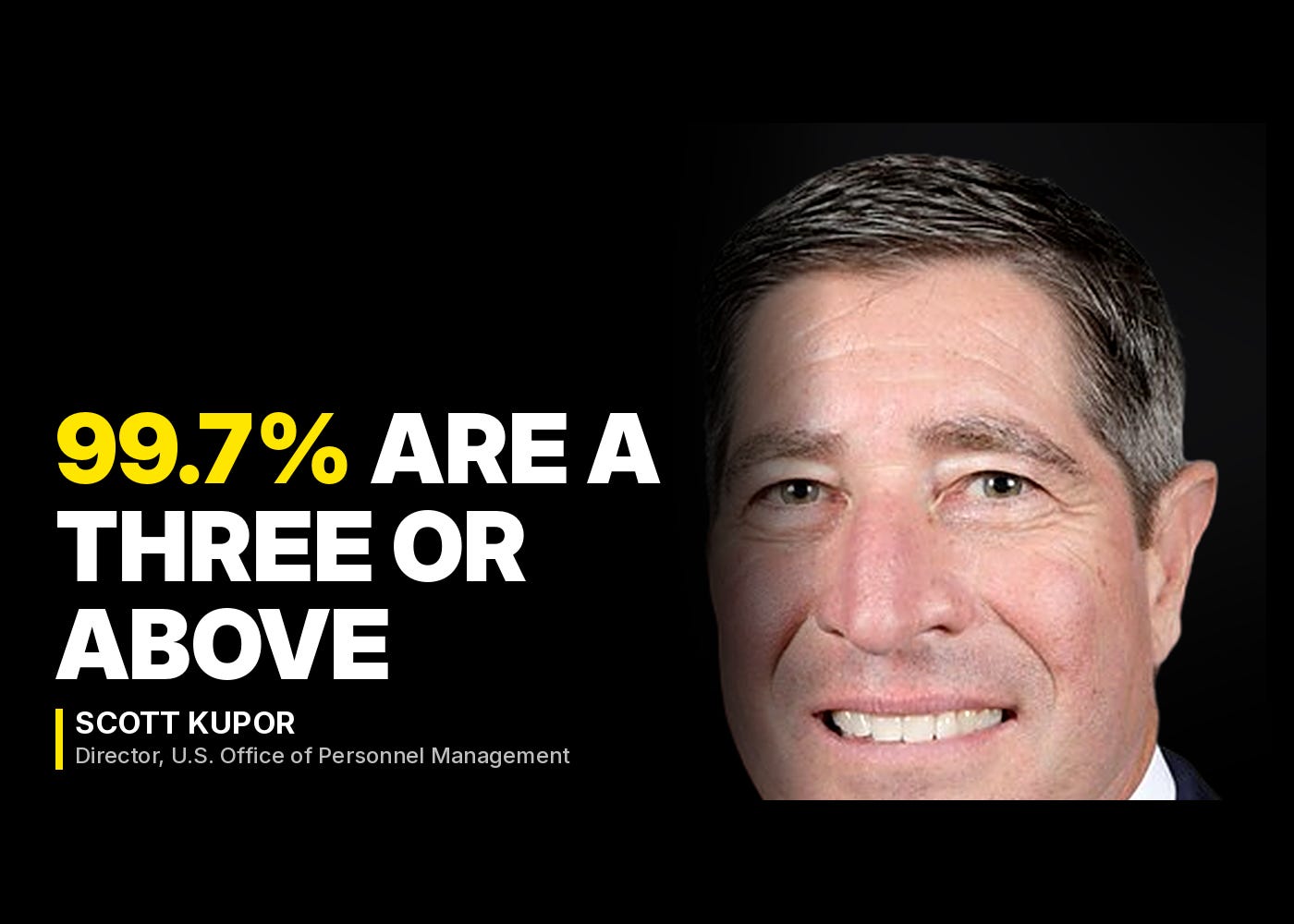
Photo: United States Office of Personnel Management, Public domain via Wikipedia
Only 0.3% of federal employees have historically been rated below expectations. Scott Kupor, Director of the U.S. Office of Personnel Management (OPM) and Andreessen Horowitz's first employee, told David Senra on a16z that the number says nothing about the workforce and everything about its incentives. Most critics of government blame the people; Scott blames a pay and ratings system that rewards nobody for being good.
"Historically, in government, 99.7% of people are a three or above, meaning literally 0.3% fall below expectations. ... It's not even mathematically possible." — Scott Kupor
Scott built the operating side of a16z from its first months in 2009 and left for government with roughly 15 portfolio companies and about 10 board seats. He now runs the HR agency for the government's roughly 2 million civilian employees.
The full interview is covered here so you can skip it. 57 minutes of audio, 10 minutes of reading.
Here are the 11 lessons that matter.
Key Takeaways
OPM now caps the top performance rating at 40% of staff, and sends 60%-plus of the bonus pool to them
Scott says the federal incentive structure is "completely screwed up," not the people
His fix is "permissioned risk": more room to fail on back-office work, less where lives are at stake
Only 7% of the federal workforce is under 30, against 23% of all US workers
Tech Force is hiring about 1,000 engineers and AI experts on two-year terms
The federal civilian workforce fell by close to 300,000, to its lowest share of US employment since 1960
Retirement paperwork went to an underground mine in Boyers, Pennsylvania, until June 30
Electronic applications should now produce a retirement check within 15 days
a16z's first fund won early on Skype, sold to Microsoft for four times the purchase price about 18 months later
a16z marketed itself when venture firms considered marketing taboo, and built its services business on it
1. A First Hire With No Role
Scott joined Marc Andreessen and Ben Horowitz in 2009, straight from Loudcloud and Opsware, which they had sold to Hewlett-Packard in 2007. He was a16z's first employee, not a co-founder, and he arrived in the depths of the financial crisis.
Scott Kupor's first job at a16z was building everything except the investing
"There was no job description. ... The job description was actually Mark and Ben said, 'Look, we're going to invest, and you need to figure out everything else we needed to build a firm.'" — Scott Kupor
That meant furniture runs to Costco and opening bank accounts. It also meant the firm's first capital call, which he sent from his personal Gmail account because a16z did not yet have its own domain.
"I send out this notice to like 50 different LPs. I'm like, 'Great news. Like, wire me a million dollars, because we need money for this thing.'" — Scott Kupor
One limited partner suspected someone was impersonating the firm. a16z registered its own domain after that.
