

Insight is Capital · Oct 19, 2026 · 59m · 51m saved
With Farzana Damji, Senior Director, Product Development at RBC Insurance
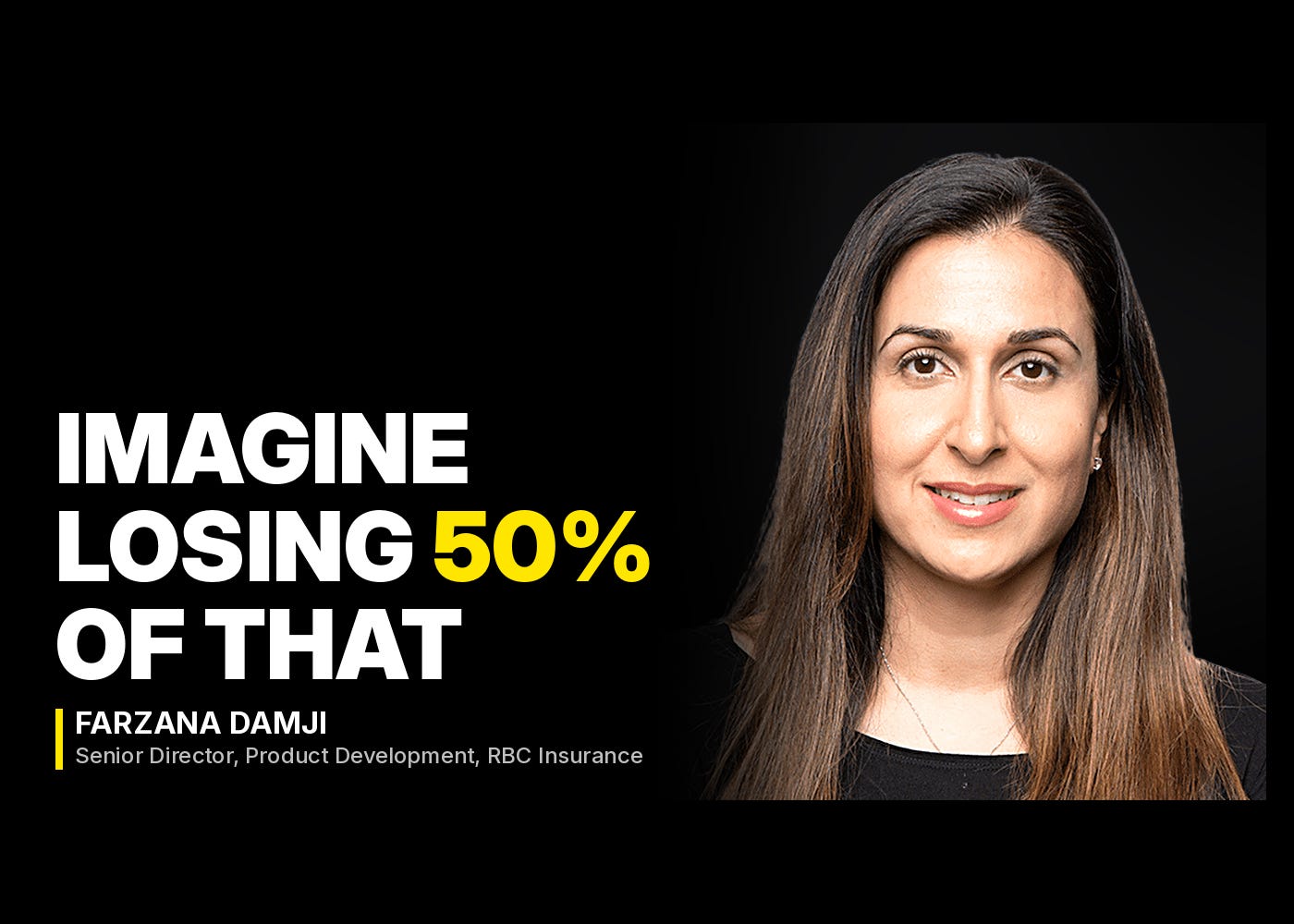
Photo via rbcinsurance.com
One-third of Canadians have never discussed end-of-life finances with anyone, Farzana Damji, senior director of product development at RBC Insurance, told Pierre Daillie and Ayal Cohen on Insight is Capital. Among single people the figure is 51%.
Most clients treat life insurance as a purchase made once, at a mortgage or a birth. Farzana argues it should be a continuum that follows a client from a first paycheck to retirement and the transfer of an estate, reviewed at every change along the way.
"I think it's really about checking in with the client and asking them what's changed." — Farzana Damji
Farzana has spent close to 20 years at RBC Insurance, in sales support, product management and digital before product development, and she designs the policy features advisors are supposed to use.
The full interview is covered here so you can skip it. 59 minutes of audio, 8 minutes of reading.
Here are the 10 takeaways that matter.
Key Takeaways
One-third of Canadians have never discussed end-of-life finances, rising to 51% among single people
Disability insurance is the most underserved segment, because people assume work or government will cover them
Critical illness pays while the client is alive, which Farzana said makes it easier to sell than life cover
Clients often cancel and rebuy rather than use features already in their policy
RBC's term-exchange option runs up to eight years and needs no new underwriting
RBC moved its critical-illness contracts to plain language so AI summaries match the actual terms
The one question for every review is what has changed in the client's life
1. The Policy in the Drawer
Pierre Daillie, host of Insight is Capital, opened on the habit the episode was built around. Canadians buy cover at one big moment and then leave it alone.
Pierre Daillie says most Canadians buy life insurance once and never revisit it
"Here's a strange thing about insurance. Most Canadians buy it once. A mortgage gets signed, a baby arrives, an advisor says, 'You should have some coverage,' and a policy goes into a drawer." — Pierre Daillie
Ayal Cohen, a life insurance agent who co-hosts the show's Cover Your Assets segment with Pierre, put the cause on the advisor's side of the desk rather than the product.
Ayal Cohen says out-of-date coverage is a planning failure, not a product one
"That gap isn't really a product problem, it's a planning and communications problem." — Ayal Cohen
