

All-In · Oct 17, 2026 · 1h 34m · 84m saved
With Chamath Palihapitiya, Founder and CEO of Social Capital · Jason Calacanis, Angel Investor and Managing Partner at LAUNCH · David Sacks, General Partner at Craft Ventures · Ben Horowitz, Co-Founder and General Partner of a16z
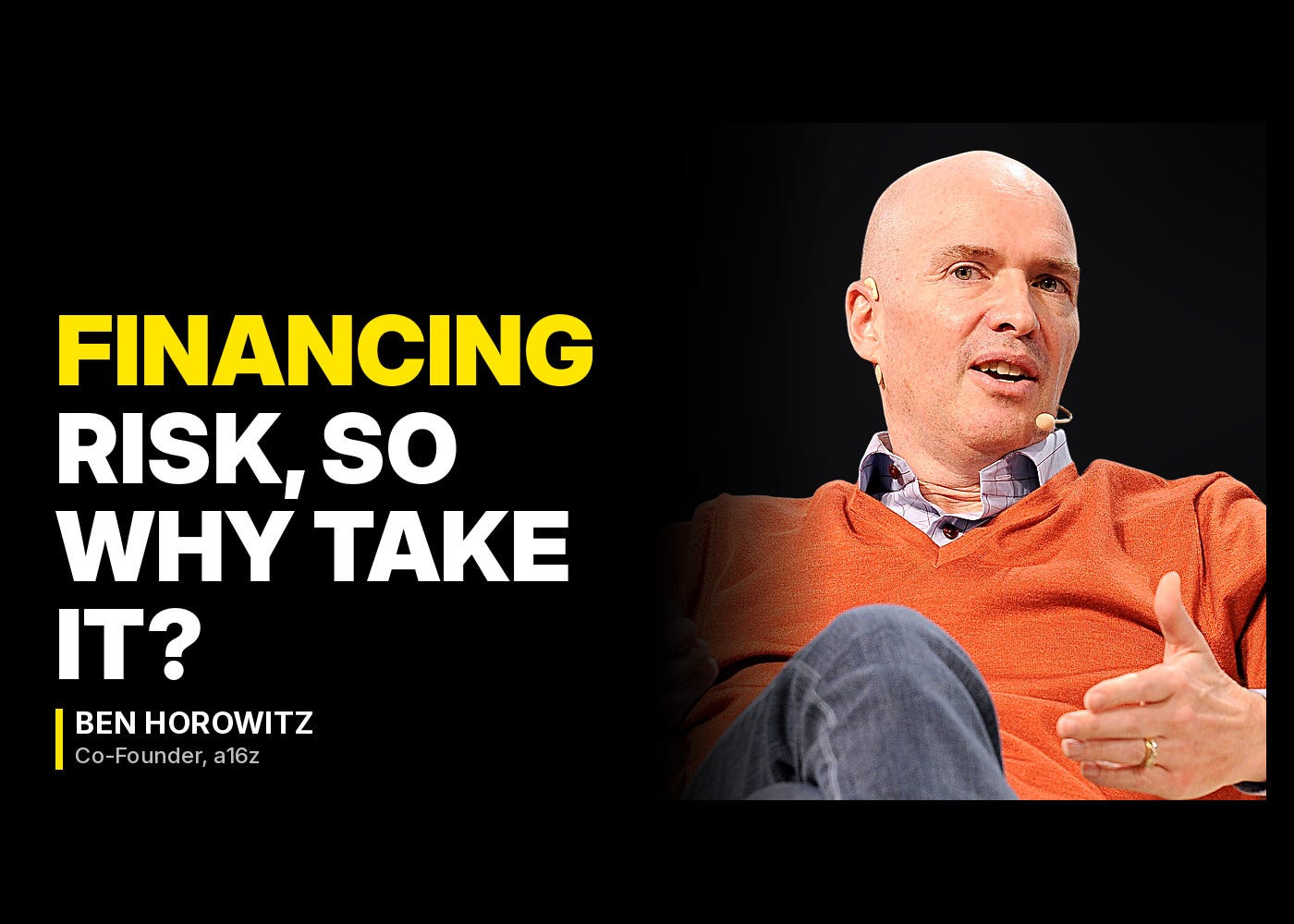
Photo via Wikipedia
Anthropic booked $16.8 billion of revenue in its third quarter, and Chamath Palihapitiya, founder and CEO of Social Capital, told All-In the company should price its coming IPO low enough to raise $200 billion or more.
The usual goal in an IPO is the highest valuation the market will bear. Chamath and Ben Horowitz, the a16z co-founder sitting in this week for David Friedberg, argued that Anthropic's real risk is running out of money for computing power, not competition.
"I agree with the sentiment, which is the only thing that's going to stop the company is financing risk, so why take it?" — Ben Horowitz
Ben co-founded Loudcloud in 1999, an early cloud company, and watched bandwidth prices collapse soon after. a16z now holds stakes in both OpenAI and Anthropic. David Sacks, a general partner at Craft Ventures and the former White House AI and crypto czar, used the show's "Psyop Corner" segment to attack Anthropic's safety posts. Jason Calacanis, an angel investor and managing partner at LAUNCH, read out the leaked investor-day numbers.
The full episode is covered here so you can skip it. 94 minutes of audio, 10 minutes of reading.
Here are the 11 arguments that matter.
Key Takeaways
CoreWeave's selloff is about confidence and rising rates, not the company's execution, in Chamath's view
Credit-default-swap spreads on its debt reached roughly 953 basis points this week
David Sacks sees AI computing capacity as scarce, not in a glut, and the selloff as volatility
a16z avoids "neocloud" deals because Ben lived through Loudcloud, when bandwidth fell from $1,500 to $50 a megabit
Anthropic should raise $200B or more at a lower valuation, Chamath argues, because financing is its main risk
Anthropic's safety warnings are a campaign against open-source AI, David argues
An Opus 4.5 agent broke into a site that Opus 4.5 had coded, in an a16z security test Ben described
Bill Gates's AI warnings are a bid for relevance, according to Ben, Chamath and David
1. CoreWeave's Bonds Sell Off
The episode opened on CoreWeave. Credit-default-swap spreads on its debt jumped to roughly 953 basis points this week, which implies about a 16% chance of default within a year and about 55% over five years. Yields on some CoreWeave debt had reached 15%, and Elon Musk's one-word "Yikes" post added to the selling.
Chamath Palihapitiya says lenders are demanding more interest, not betting on a collapse
"The problem is that in this last little while the sharps basically said hold on, this is getting too close to the knife's edge. You're going to have to pay more interest." — Chamath Palihapitiya
Chamath replayed a March All-In clip of CoreWeave founder Michael Intrator explaining the company's "box" structure. Each customer contract, such as Microsoft's, is ring-fenced with the GPUs bought to serve it in its own financing vehicle, which pays down in about 2.5 years of a five-year deal. The real driver of the selloff, in Chamath's view, is the rising 10-year Treasury yield pushing up borrowing costs across all junk credit.
