

Fintech One-On-One · Sep 24, 2026 · 30m · 20m saved
With Michelle Beyo, Founder and CEO of Finavator
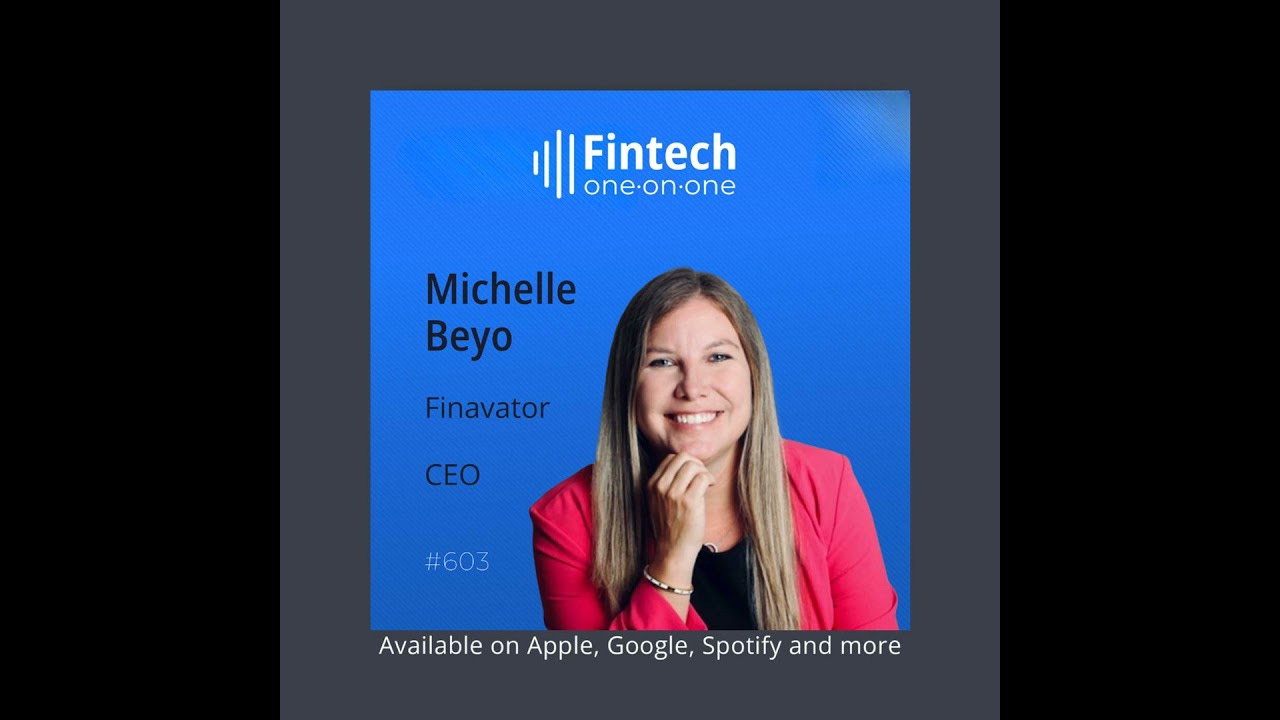
Agentic payments, in which AI software buys things on a person's behalf, have been a serious topic for less than 24 months, Michelle Beyo said. The internet took decades to reach almost 80% of the population.
Most of the industry is racing to connect AI agents to existing payment accounts. Beyo said nobody has yet settled who is liable, how returns work or what happens when an agent misuses a card, and that until those are settled an agent should not hold a person's real card number.
"So maybe we should only use prepaid credentials when we talk about AI, until we get to a point that we can have credential-tokenization infrastructure, and I never have to give the AI my actual core credential."
Michelle Beyo, founder and CEO of the fintech consultancy Finavator, on Fintech One-On-One, ran sales, marketing, distribution and innovation for the prepaid company InComm in Canada and helped run one of the first WeChat top-up pilots at 7-Eleven. Her book "Mastering the Future of Finance" was published by Wiley this month.
The full interview is covered here so you can skip it. 30 minutes of audio, 10 minutes of reading.
Here are the 10 takeaways that matter.
Key Takeaways
North America was far behind Asia in payments in 2017, Beyo concluded after a WeChat pilot, and she wants it to catch up
Phone-number portability was the first data consumers could take with them, and she sees open banking as the same right
She wants a human data right set at the ISO level, including the right to delete data a consumer shared in the past
Agentic payments reached the forefront in less than 24 months, and questions of memory, audit trails and liability are unsettled
AI agents should maybe get prepaid credentials only, until tokenized card numbers are in place
Her book breaks the industry into nine elements under data, trust and technology, with trust at the center
Wiley gave her seven months to write 80,000 words
1. Telco to Prepaid
The host asked about her career. Beyo said she spent six years in telecom and eight years in online shopping and affiliate marketing, running online shopping malls for Alaska, Lufthansa, Delta and United. She then moved to InComm, one of the largest prepaid companies in the world, working from its international office in Toronto, which covered 30 countries.
A WeChat pilot convinced her North America was behind
At InComm she helped run a pilot of WeChat top-ups at 7-Eleven. It went to full rollout in Japan but not in Canada. In 2017, she said, she had not known what a super app or a QR payment was.
"So implementing that and watching that work was pretty impressive, and actually got me thinking the future of finance is living in Asia — and back in 2017 specifically, we were extremely far behind in North America." — Michelle Beyo
She then took a three-day course on blockchain, digital identity and fintech at an Ivy League school, with an 80-hour pre-read, alongside executives from across the industry. It confirmed her view that North America was "kind of acting like Kodak, holding onto film," she said.
