

All-In · Oct 12, 2026
With Martin Shkreli, entrepreneur and investor
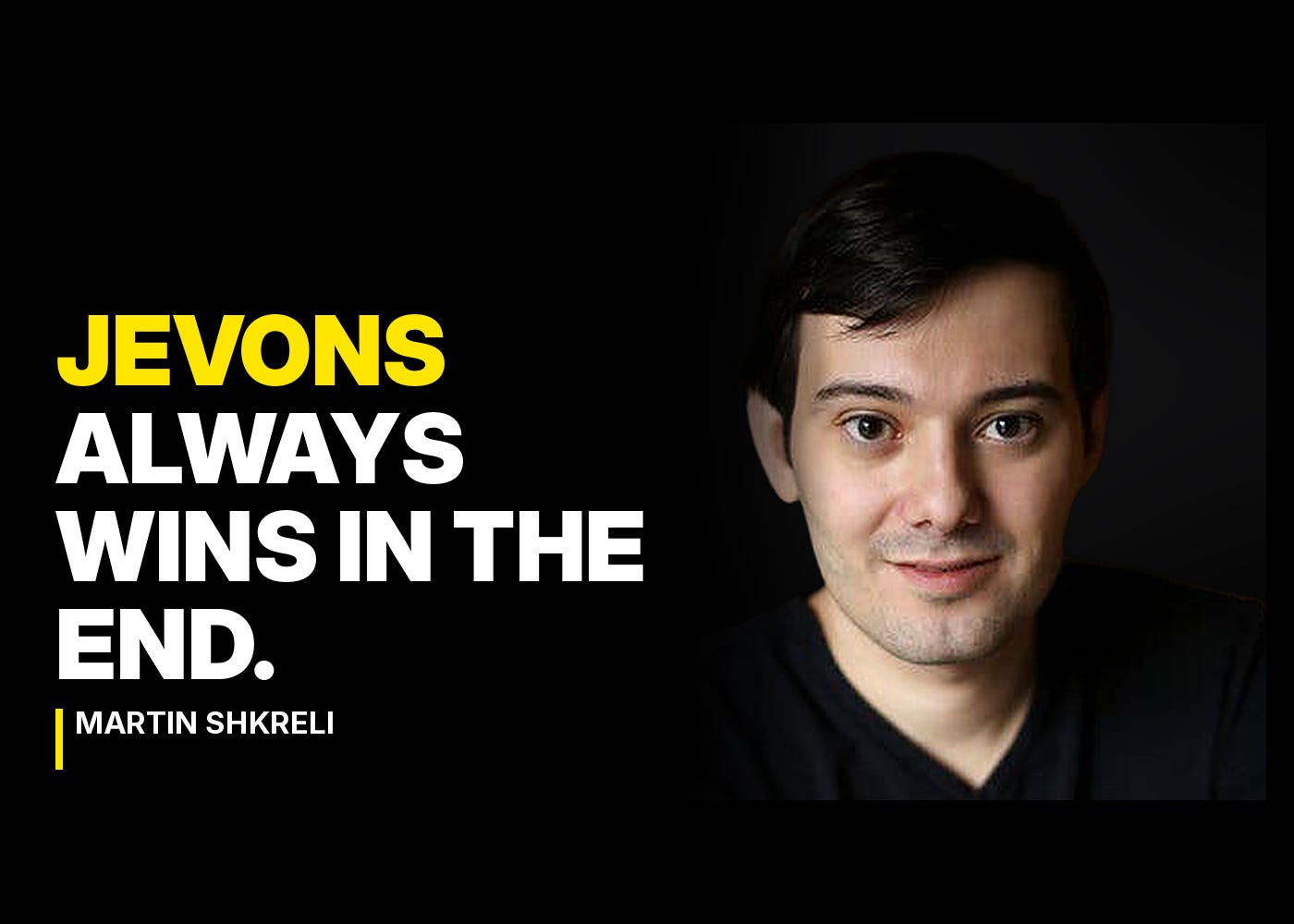
Photo via The New York Times
Martin Shkreli, the entrepreneur and investor who served roughly seven years in prison, told the hosts of All-In that he and his wife Chelsea have tried every quantum computer in the world and still can't multiply 300 by 200 on any of them.
Silicon Valley treats quantum computing as inevitable, general-purpose compute. Martin, who says Chelsea studied the field under MIT's Scott Aaronson, argues the whole premise is wrong outside a narrow set of cryptography-breaking algorithms.
"Chelsea and I have tried every single quantum computer in the world. We cannot multiply 300 by 200 on any of these." — Martin Shkreli
Martin built his career finding mispriced drug assets inside big pharma — he once bought a molecule from Bristol Myers Squibb for $2 million that is now part of a $6 billion company — before a fraud conviction sent him to prison.
The full interview is covered here so you can skip it.
Here are the 7 insights that matter.
Key Takeaways
He says quantum computers can't multiply 300 by 200 — the technology's real edge, he argues, is breaking cryptography, not general computing
He's betting on matrix multiplication done in light, not more GPUs, predicting today's Nvidia chips could be scrap within 20 years
He built a career buying underpriced drug molecules from big pharma, including one bought from Bristol Myers Squibb for $2 million that's now part of a $6 billion company
His signature deal repositioned a hypertension drug into the first approved treatment for FSGS, a rare kidney disease
"Jevons always wins in the end," he says — cheaper AI compute increases total demand for intelligence rather than shrinking Nvidia's business
He picks Meta to "overearn" longest in AI, citing its distribution and the product chops shown by its Muse AI tool
He calls Dario Amodei "a fear-monger" and says he helped start the "effective accelerationism" movement as a counter to effective altruism
Prison taught him his downfall was refusing to admit he wasn't the best hedge fund manager in the world, not simple fraud or ambition
1. Quantum's Reality Check
The hosts open on quantum computing, which Shkreli has publicly called fraudulent, and ask him to lay out the case. He credits his wife Chelsea, an early OpenAI employee who studied under MIT's Scott Aaronson, for teaching him the field. His argument: quantum computing is popularly but wrongly equated with "faster computing" generally, when in reality it exists because of Peter Shor's insight that a narrow class of algorithms, mainly integer factorization and cryptography-breaking, run in polynomial rather than exponential time on a quantum machine.
He and Chelsea can't even multiply 300 by 200 on one
"Chelsea and I have tried every single quantum computer in the world. We cannot multiply 300 by 200 on any of these." — Martin Shkreli
Pressed with the "early transistor era" analogy, that primitive hardware could still mature the way classical computing did, Shkreli counters with his own history lesson and says he and Chelsea have personally shorted quantum-computing companies.
His take on the trade
"Unfortunately, we lost millions of dollars shorting quantum computing companies, but I told my wife that we gained billions in insight." — Martin Shkreli
