

FT Live · Nov 4, 2026 · 31m · 24m saved
With Bill Gates, co-founder of Microsoft and chairman of the Gates Foundation
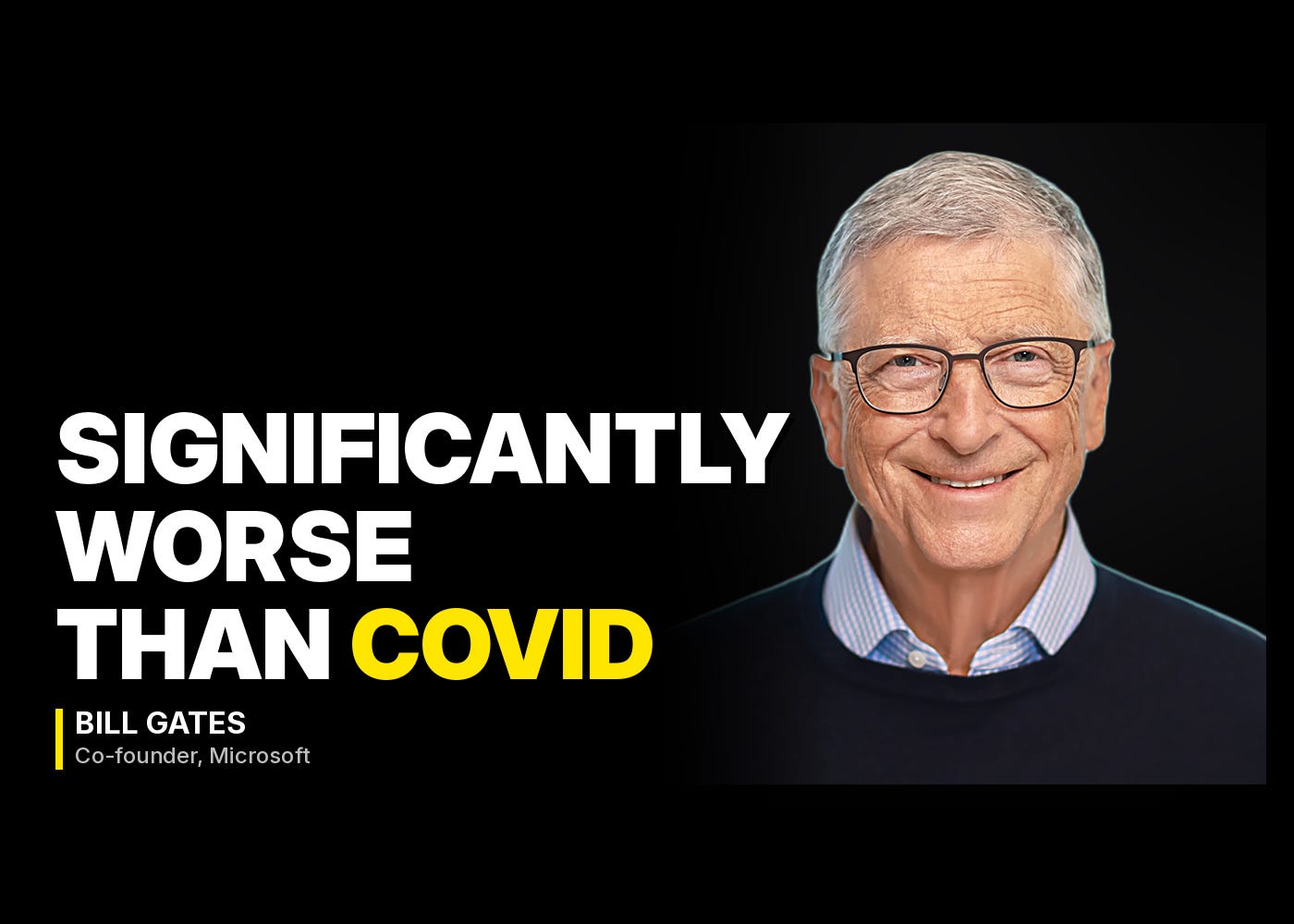
Photo via gatesfoundation.org
AI models can already find software flaws faster than hospitals, banks and the power grid can patch them, and fixing that gap is roughly a five-year effort even with full diligence. Bill Gates, co-founder of Microsoft and chairman of the Gates Foundation, told Madhumita Murgia, the Financial Times' AI Editor, at FT's Future of AI Summit that this is why he's chosen to speak out loudly on AI risk, after staying mostly quiet through earlier tech panics over the PC and the internet.
"The potential for good, the potential for harm can't be overstated." — Bill Gates
Bill built Microsoft and has spent the past 19 years giving away his fortune through the Gates Foundation, and he says that distance from the AI labs, paired with decades inside the industry, is exactly why his voice can get the rest of society to engage.
The full interview is covered here so you can skip it. 31 minutes of audio, 7 minutes of reading.
Here are the 6 takeaways that matter.
Key Takeaways
AI's ability to find software flaws now exceeds institutions' ability to patch them
Rebuilding vulnerable software is roughly a five-year effort, even with full diligence
A bioweapon attack could be "significantly worse than Covid," Bill says
His fix: a global system watching air, sewage and blood for an outbreak early
The US still has no mandatory review of new AI models
Bill doesn't believe other governments will act until Washington does
AI is cheap enough to replace white-collar labor across every industry, not just one
He blames tax policy that favors buying "robots or tokens" over paying people
Bill wants new taxes reaching concentrated AI wealth, including billionaires
The Gates Foundation is moving roughly three times faster on drug discovery using AI
1. Why Bill Is Speaking Out Now
Bill said the leap in AI capability since ChatGPT, and especially since Claude Code crossed the threshold of coding better than any human being in late 2025, is what pushed him to campaign loudly on AI risk.
AI coding tools that beat humans are also finding security flaws faster, Bill says
"Starting late last year, the coding capabilities, starting with Claude Code, became better than any human being. And that's great for writing software — it's also a bit dangerous in terms of being able to find cybersecurity flaws." — Bill Gates
He said AI lab chiefs such as Sam Altman, Dario Amodei, Demis Hassabis and Mustafa Suleyman have all voiced similar concerns but get discounted as talking up their own products. As a tech-industry veteran who is nonetheless now a step removed from the companies, Bill believes his voice can get wider society to engage, and argues AI is nothing like the PC or the internet, where market dynamics eventually absorbed the disruption.
AI is unlike any technology that came before it, Bill says
"I use analogies like the aliens came, but we invented them on our own computers." — Bill Gates
