

WSJ's Take On the Week · Sep 27, 2026 · 36m · 21m saved
With Meghan Swiber, U.S. Rates Strategist at Bank of America, who previously worked at the Fed
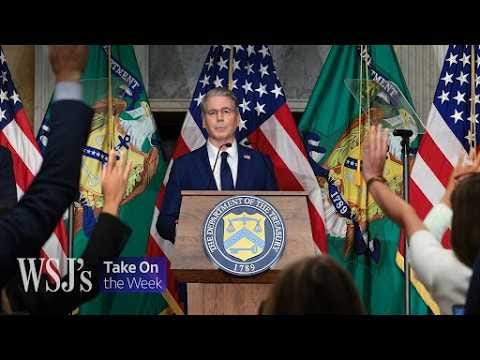
The 10-year Treasury yield hit 5%, its highest level since 2007. Meghan Swiber of Bank of America said the main reason is a Fed chair who has committed to fighting inflation.
The yield rose even though the Treasury stepped up its purchases of its own bonds to push long-term borrowing costs down. Swiber said those buybacks cannot work while the Fed is raising rates, and that the Fed is likely to keep hiking until the stock market falls.
"The Fed hasn't seen inflation come back to its 2% target in well over five years now, and it's the commitment that the market is hearing from Warsh to address this inflationary pressure that really is driving yields up in the US in particular."
Meghan Swiber, U.S. rates strategist at Bank of America, on WSJ's Take On the Week. She advises investors on where yields are headed and how to trade around them, and while at the Fed she worked with the Treasury on its test buyback operations.
The full interview is covered here so you can skip it. 36 minutes of audio, 15 minutes of reading.
Here are the 11 insights that matter.
Key Takeaways
A Fed chair set on fighting inflation is what drove the 10-year yield to 5%, Swiber said
The Fed has not seen inflation at its 2% target in more than five years
Few borrowers pay today's mortgage rates, because most homeowners locked in 30-year fixed loans after the pandemic
Investment-grade corporate bonds now compete with Treasuries for buyers, especially companies raising money for AI
Treasuries no longer reliably rise when stocks fall, so investors want to be paid more to own them
An end to the Iran war could lower yields meaningfully, but US inflation outside oil would remain
The Fed is likely to keep raising rates until stocks correct, because Warsh is watching the market for a signal
If the market prices an October hike and the Fed skips it, the Fed eases financial conditions
Treasury buybacks have not lowered yields because they are not QE: the Fed is raising rates, not guiding them lower
For many investors, bills and 2- to 5-year Treasuries are the more approachable opportunity, not 10-year to 30-year bonds
1. Warsh Drove Yields to 5%
The host opened by saying the 10-year yield had hit 5%, the highest since 2007, and asked how it got there. She said the 10-year matters to individuals because many own Treasuries through bond or mutual funds and because it is the main factor behind mortgage rates.
Low rates ended with the pandemic and inflation
Swiber said yields sat in a very low range after the 2008 financial crisis, held down by expectations that the Fed would keep rates low and by its bond buying, known as quantitative easing. Coming out of the pandemic, investors had to price in inflation and a Fed that was raising rates to cool the economy, not only because unemployment was low.
The Fed cut, but 10-year yields stayed high
The Fed took its policy rate above 5%, higher than where 10-year yields trade now, then cut as the labor market cooled. Short-term rates came back down. The 10-year stayed high compared with the years after the financial crisis.
Now the Fed is raising rates again
She said the question is how high the Fed will have to go. Unemployment has declined over the past year, and the Fed's policy rate minus inflation has been falling, which tells the Fed it needs to do more. Inflation pressure is global, driven largely by commodity prices and a big rise in oil.
"The Fed hasn't seen inflation come back to its 2% target in well over five years now, and it's the commitment that the market is hearing from Warsh to address this inflationary pressure that really is driving yields up in the US in particular." — Meghan Swiber
