

BNN Bloomberg · Sep 28, 2026 · 44m · 33m saved
With Paul Harris, Portfolio Manager at Harris Douglas Asset Management
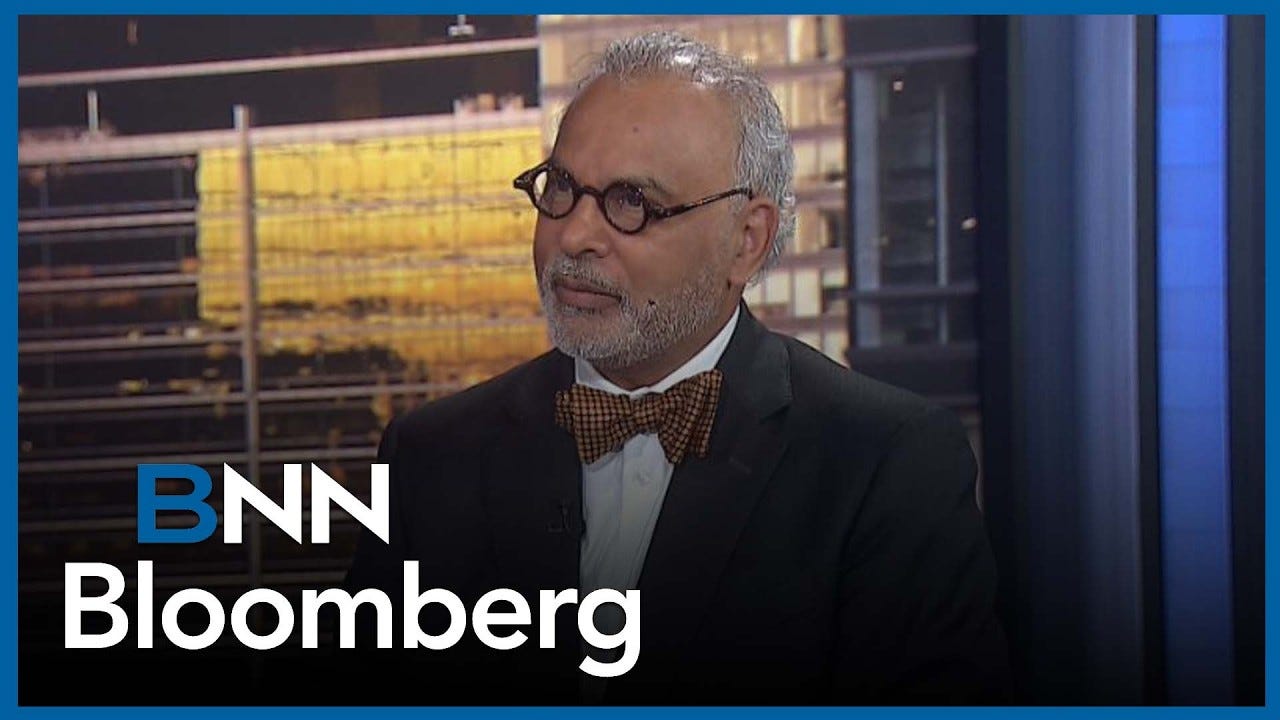
Paul Harris owns Eli Lilly and Novo Nordisk, and said the Canadian government should hand out their weight-loss drugs for free, because obesity drives knee surgeries, back surgeries and other costs.
The 10-year Treasury yield sat at about 5.25% as the segment began. Harris said rates at that level are normal by the standards of 1980 to 2007, and that what worries him is the speed of the move and who now owns the bonds.
"I'm of the view that, you know, the Canadian government should give it away for free, right?"
Paul Harris, portfolio manager at Harris Douglas Asset Management, on BNN Bloomberg's Market Call, took viewer questions on North American and global stocks, answering from the positions his firm holds.
The full segment is covered here so you can skip it. 44 minutes of audio, 11 minutes of reading.
Here are the 18 calls that matter.
Key Takeaways
The Treasury market is now in the hands of price-sensitive buyers, which makes rates move faster
Strong earnings are holding up stocks, and Harris thinks the market has underestimated them
He would sell more Canadian Natural Resources if oil rises further and buy if it falls $10 to $20
BCE's dividend is "pretty safe" now that it has been cut, in his view
Pepsi will keep trading below Coke, because snacks are a shrinking business
Dell is the stock Harris said he "totally missed"
Weight-loss drugs should be free in Canada, Harris said
New picks: Meta, Microsoft and EssilorLuxottica
He said people are not going to rip out Microsoft Office
1. Who Owns Treasuries Now
The host opened with the 10-year Treasury at about 5.25% and asked if it is the market's biggest stressor.
"I think it's one of the biggest stressors to the market." — Paul Harris
Harris said that 10 to 15 years ago about 72% to 80% of Treasuries were bought by price-insensitive buyers such as central banks and large pension plans. He put that share at about 45% today, with the rest held by buyers who compare Treasuries against corporate debt and other options.
Rates are returning to normal
"Rates are pretty much normalizing." — Paul Harris
He said the 10-year sat around these levels from the 1980s to 2007, and that the concern is how fast it is moving. Among the causes, Harris listed the war in the Middle East, higher inflation, US debt and the Treasury Secretary's talk of buying debt.
"It affects how you look at stocks." — Paul Harris
He said the 10-year rate also sets borrowing costs for hyperscalers and private equity buyers, and moves other bond markets around the world.
