

FidelityConnects · Sep 27, 2026 · 35m · 21m saved
With David Wolf, Portfolio Strategist at Fidelity Investment Management Canada · David Tulk, Portfolio Strategist at Fidelity Investment Management Canada · Ilan Kolet, Institutional Portfolio Manager at Fidelity Investment Management Canada
Fidelity's Canadian multi-asset team has sold all of its actively held US Treasuries and is now overweight the Canadian dollar, a currency it underweighted for years.
Most balanced funds lean on US government bonds to steady a portfolio when stocks fall. This team said Treasuries now carry more risk than they did a couple of years ago, and it has moved money into Canada, emerging-market local-currency debt and commodities instead.
"We haven't abandoned fixed income but the core ballast for a lot of these kinds of multi-asset class strategies, which would be US Treasuries, just seem riskier and the balance of risk and return on them are just not what they used to be even a couple of years ago."
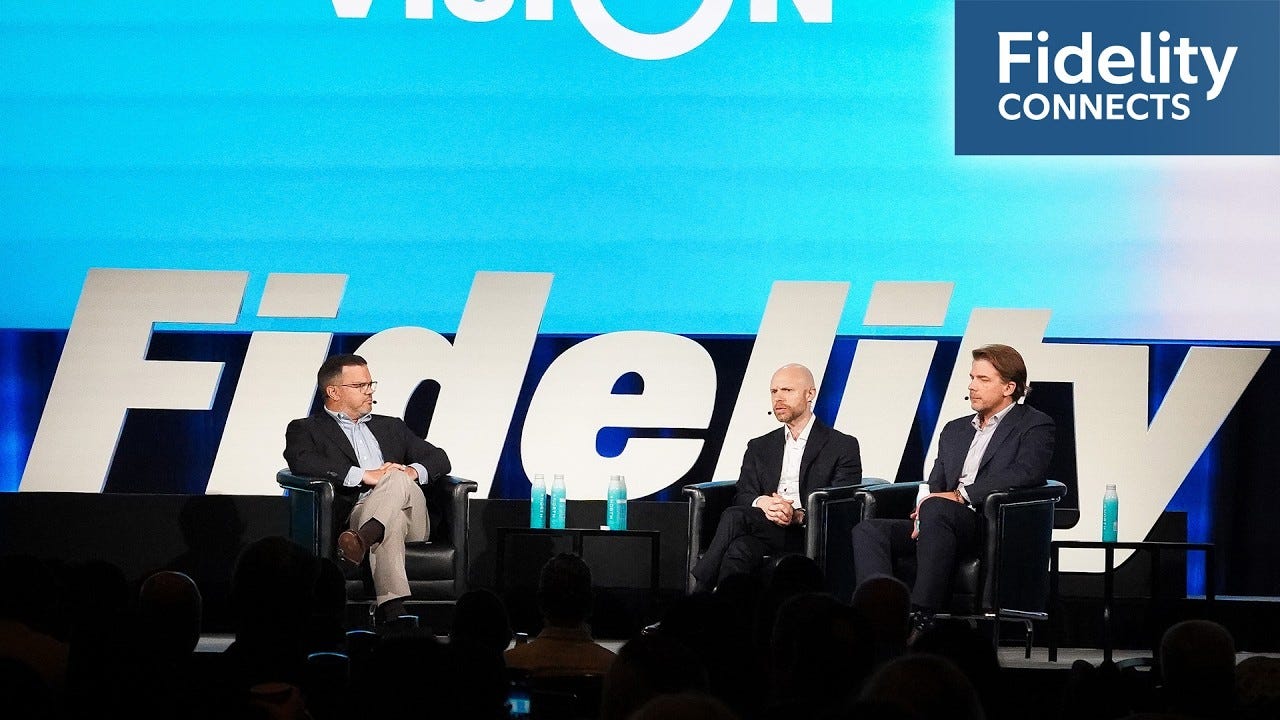
David Wolf and David Tulk, portfolio strategists at Fidelity Investment Management Canada, with Ilan Kolet, an institutional portfolio manager there, on FidelityConnects. The session was recorded on stage at Fidelity's VISION2026 on September 10, 2026. The team manages Fidelity's Canadian multi-asset strategies and reports into a Boston group whose meetings cover $2 trillion (US) in multi-asset funds. Wolf advised on interest rates at the Bank of Canada before joining Fidelity.
The full episode is covered here so you can skip it. 35 minutes of audio, 14 minutes of reading.
Here are the 10 calls that matter.
Key Takeaways
Uncertainty really is higher than normal now, Wolf said, and that does not excuse anyone from deciding
The team is still overweight stocks against bonds, but less so than before
Wall Street's earnings estimates have caught up with, and in places passed, Fidelity's own analysts
Emerging markets are the cheaper way to own AI, because they sell the chips and memory the spenders need
Canada is the stock market least tied to AI, Tulk said, which makes it the hedge
Rising bond yields are what an investment boom is supposed to produce, not a 2022-style inflation fight
The team has sold all of its actively held US Treasuries
A panelist said US interest costs now exceed defense spending
Commodities, including gold, are the best hedge for a stock-heavy fund today
The team holds no private equity and no private credit, and its 60/40 fund has generally beaten Canada's big pension funds over the past decade
The Canadian dollar is more likely to reach 82 cents, its historic average, than 62 cents, its 2002 low
1. Uncertainty Is Higher Now
Kolet, who moderated, said he had torn up his planned opening a few days earlier. He asked Wolf how to think about the world.
At the Bank of Canada, one adviser always said uncertainty was higher than normal
Wolf said that about 15 years ago, about 15 senior staff sat around the table to advise the Bank of Canada's governor before each interest-rate decision. The adviser to his left always said uncertainty was higher than normal, so the bank should wait for more information.
"Uncertainty can't always be higher than normal, by definition, which means your notion of normal must be wrong." — David Wolf
"That doesn't absolve you of the responsibility to make the best decision you can in the face of that uncertainty." — David Wolf
Today he would agree with her
"But if she was sitting here now and said uncertainty is higher than normal I would actually agree with her at this point." — David Wolf
On whether AI is a bubble, he said: "I hear really smart people making really good arguments on both sides." He named the Iran war and the trade war as well, and said their outcomes "basically come down to the whims of what did he call himself, a very stable genius?"
Three rules for deciding anyway
Wolf said the team's process rests on three things: humility about what can be known, risk management across each fund as a whole, and readiness to change allocations.
"We'd much rather lean against overconfidence in a forecast in the market than trying to forecast the unforecastable ourselves." — David Wolf
"We've moved our allocations a lot and we need to be prepared to continue to move them as the world evolves." — David Wolf
Kolet added that no decision is itself a decision.
