

Dividend Talks · Nov 14, 2026 · 35m · 27m saved
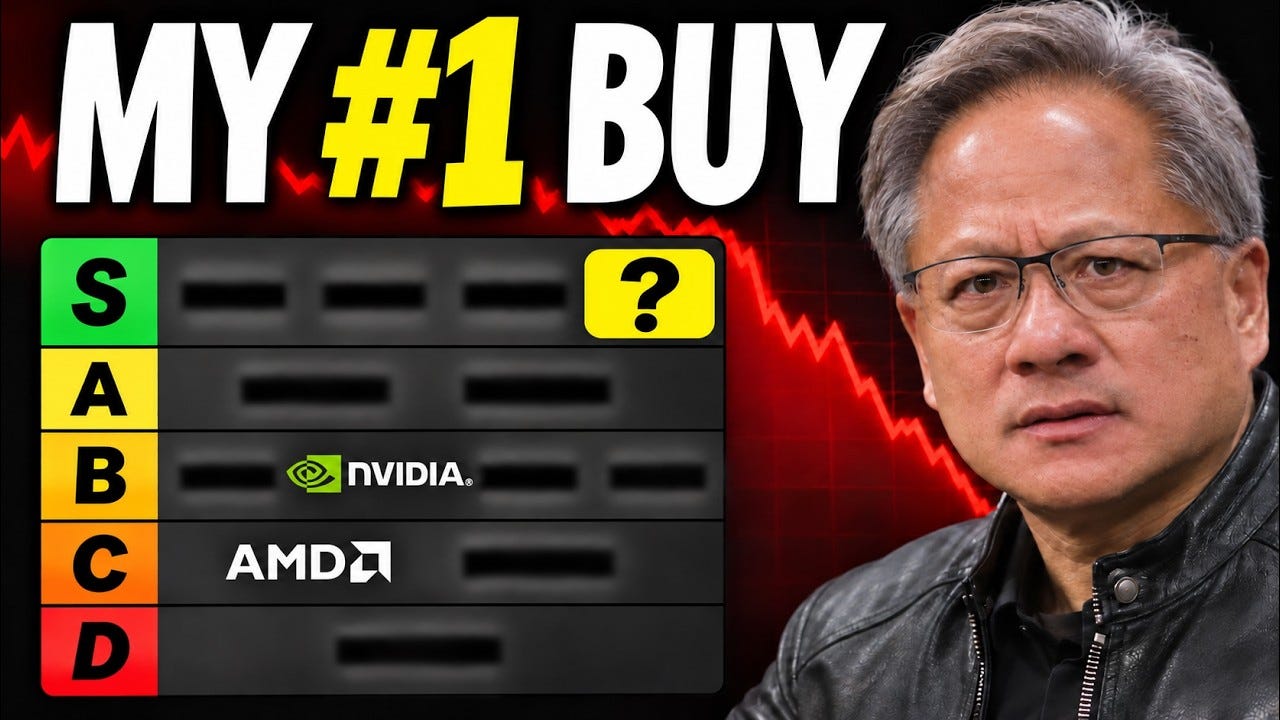
In less than a week of selling, Nvidia lost roughly $660 billion of market value, and Dividend Talks, the YouTube channel run by an anonymous chartered accountant, rebuilt cash-flow valuations for 13 semiconductor stocks to see which ones the drop had made cheap.
The chip stocks fell together. Dividend Talks ranked them one by one, from avoid to strongest buy, and put Broadcom first and Nvidia in the middle.
"Falling prices, they don't automatically mean cheap shares." — Dividend Talks
Every stock got the same discount rate and the same long-run growth rate, so the ranking compares how much growth each price already assumes rather than which company is best.
The full episode is covered here so you can skip it. 35 minutes of audio, 8 minutes of reading.
Here are the 8 calls that matter.
Key Takeaways
Broadcom ranks first for the best balance of quality and valuation, not the largest upside
Its DCF value of $516 implies about 52% upside, and even the low case roughly matches today's price
Nvidia sits in the upper half of the B tier, a measured buy rather than a top pick
The three memory stocks, Micron, SK Hynix and SanDisk, all reach the top S tier, with smaller position sizes because of cycle risk
Applied Materials is the only D-tier name, with about 14% downside in the base case
Marvell's 28% margin of safety is not trusted until a model reflects its pending all-stock deal
A falling price is not the same as a cheap stock, which is why every name gets a reverse DCF
1. Nvidia Lost $660B in a Week
Dividend Talks opened on the week's damage. Broadcom fell about 5% on Friday and AMD almost 9%, while Nvidia, Micron, Marvell and the chip-equipment makers fell together.
Nvidia's one-week loss was unusual by any standard, in Dividend Talks's view
"In less than one week, Nvidia alone has lost roughly 660 billion in market value. That's not a normal move in a normal market." — Dividend Talks
A move that size, across a whole sector, raised the question the rest of the episode tried to answer: which of these stocks are now cheap, and which have only become cheaper.
