

Bloomberg Talks · Nov 4, 2026 · 16m · 11m saved
With Ralph Schlosstein, Chairman Emeritus of Evercore and co-founder of BlackRock
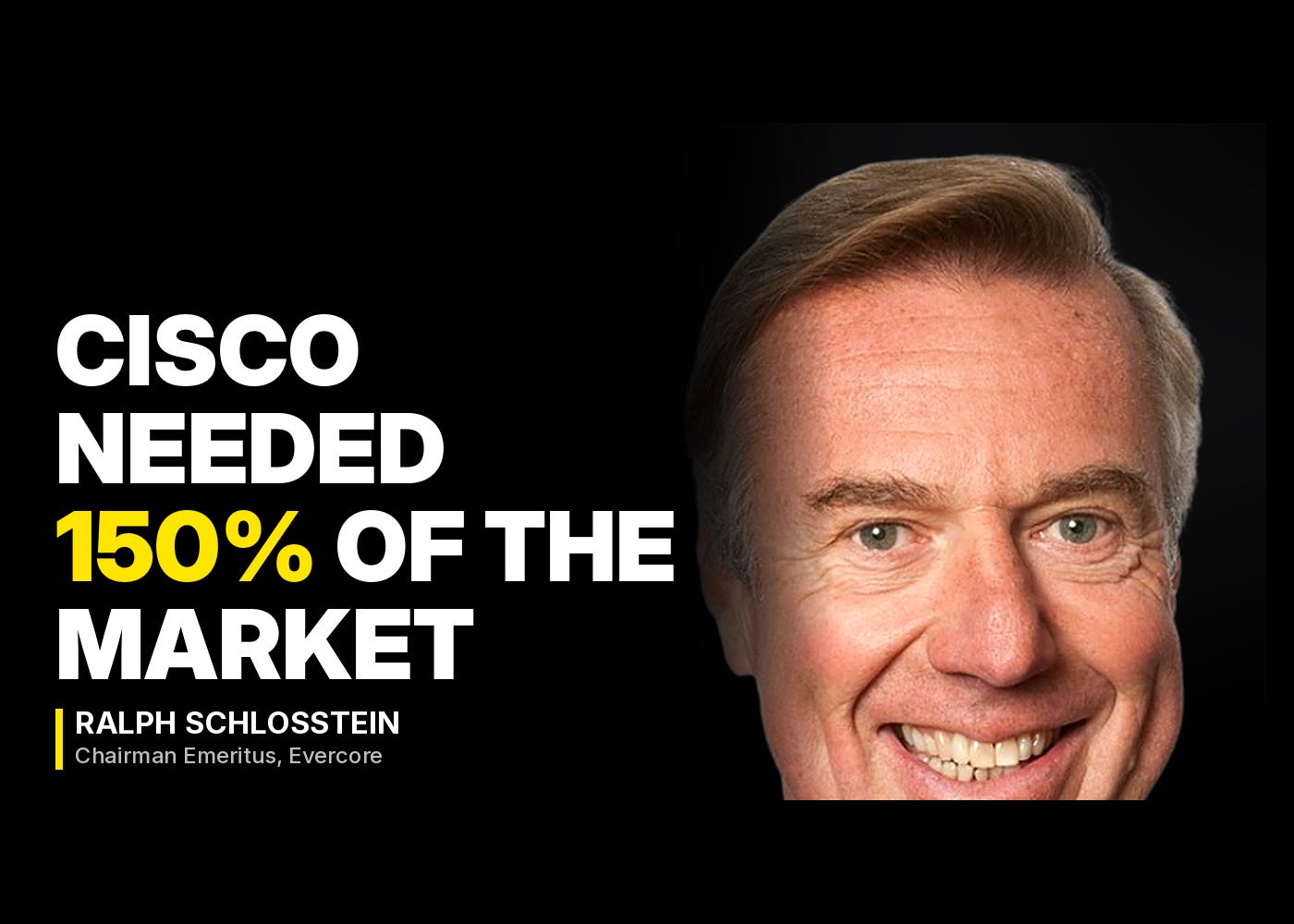
Photo: Harvard Kennedy School
Ralph Schlosstein says the midterm result buys dealmakers roughly a two-year window before the regulatory climate tightens again, because most M&A decisions run through the executive branch rather than legislation. Washington usually reads a split verdict as a sign of coming gridlock; Ralph reads it the opposite way.
"I think the vote last night was a vote for centrism, a vote for checks and balances, a vote for a less volatile world." — Ralph Schlosstein
Ralph co-founded BlackRock before building Evercore into one of Wall Street's top M&A advisers, giving him a multi-decade view across market cycles. He told Bloomberg's Dani Burger and Isabelle Lee on Bloomberg Talks why he's reading the midterms as bullish for deals, what worries him about the deficit, and why he compares today's AI valuations to the dot-com bubble.
The full segment is covered here so you can skip it. 16 minutes of audio, 5 minutes of reading.
Here are the 4 takeaways that matter.
Key Takeaways
The midterm result buys dealmakers roughly a two-year window before the regulatory climate tightens again, Ralph says
The US fiscal trajectory is "totally unsustainable," and a bond-market shock is the likeliest trigger, Ralph says
States have "de minimis standing" on antitrust, Ralph says — Paramount likely could have won in court but settled anyway
AI is the "single biggest thing" of Ralph's career, but he compares today's valuations to the dot-com bubble, citing Cisco's need for "150%" of the router market
1. A Two-Year Window
Ralph called the midterm result a vote for stability rather than a warning sign.
The midterm result was "a vote for centrism," not a signal of coming gridlock, Ralph says
"I think the vote last night was a vote for centrism, a vote for checks and balances, a vote for a less volatile world." — Ralph Schlosstein
He argued divided government has usually meant compromise and good markets, and that the regulatory climate will likely stay receptive to big strategic mergers for the next two years, since most deal decisions run through the executive branch rather than legislation.
The regulatory climate should stay receptive to big mergers for about two more years, Ralph says
"I think it's reasonable to conclude that the regulatory environment will be a little more receptive over the next two years than it might be after that." — Ralph Schlosstein
