

Micro-cap stocks carry a reputation for speculative, revenue-less shells that go to zero.
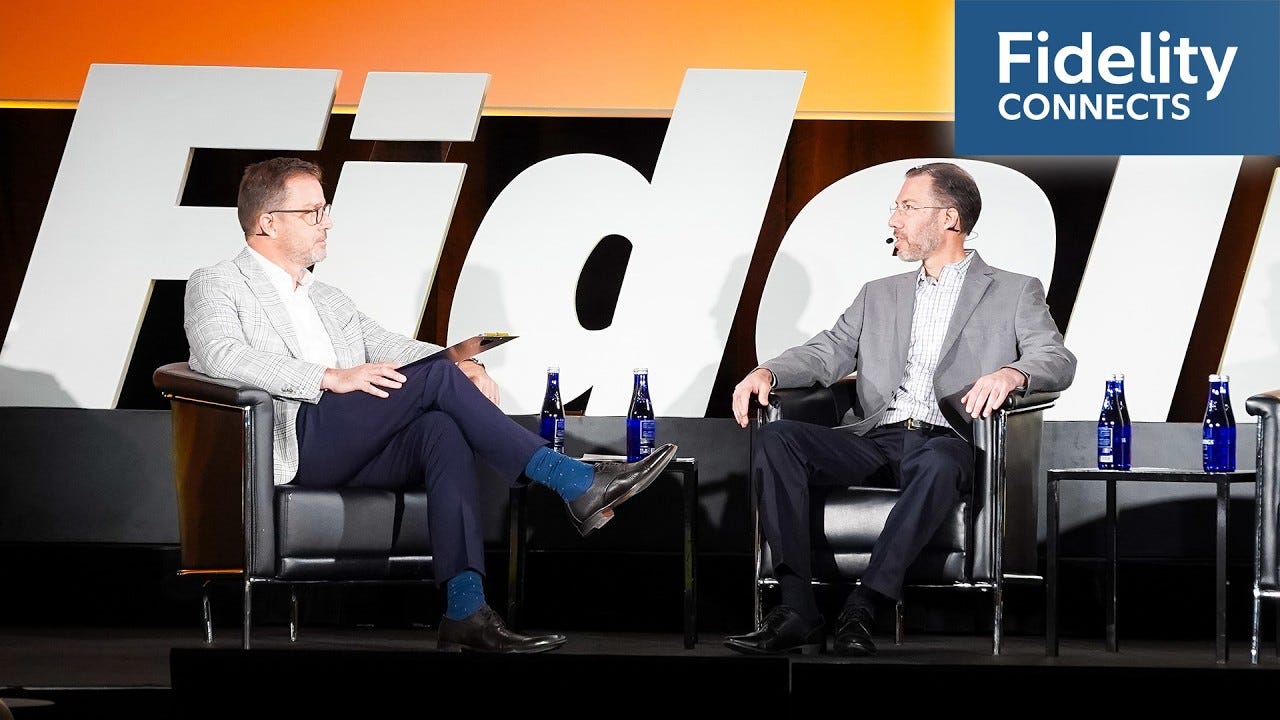
Salim Hart, Portfolio Manager of the Fidelity Global Micro-Cap Fund, told FidelityConnects that reputation describes the old Vancouver Stock Exchange, not his fund.
"Micro-caps can be risky, but they do not have to be risky."
Salim runs a genuinely global micro-cap portfolio — weighted median market cap near $1 billion, holdings from $18 million up to $8-9 billion — built on cheap, high-quality, low-leverage, consistently profitable businesses rather than speculative ones.
The full interview is covered here so you can skip it. 41 minutes of audio, 5 minutes of reading.
Here are the 6 arguments that matter.
FidelityConnects · Oct 25, 2026 · 41m · 36m saved
With Salim Hart, Portfolio Manager at Fidelity Global Micro-Cap Fund
Key Takeaways
The fund's dividend yield is 3.4%, roughly double the S&P 500's — Salim's evidence that quality, not speculation, drives his micro-cap approach
Several hundred holdings diversify away single-stock risk, and the MSCI World Micro Cap index runs lower volatility than mid- and large-cap indices
The fund is about 20% US-weighted versus ~30% for its benchmark and over 70% for MSCI World large-cap — a deliberate underweight to the US
Japan is the fund's biggest country weight, on cheap valuations, easy monetary policy, and a new high-ROE index driving more takeovers and activist activity
Europe and the UK are now roughly a quarter of the fund — the first time Salim has gone from underweight to neutral/overweight there
Salim built a ~20-stock basket at the end of Q1 2026 buying companies the market sold off on AI-disruption fears, judging the risk "at worst neutral"
Simulations Plus, one of that basket's holdings, rebounded and was acquired by private equity — Salim's proof these were "real businesses," not AI-doomed also-rans
1. Risky Is A Choice
Salim opened with the message he wants investors to take from the fund.
Micro-caps can be risky, but Salim's approach is built not to be
"Micro-caps can be risky, but they do not have to be risky." — Salim Hart
His selection criteria — cheap, high-quality, low leverage, not speculative, a consistent record of profitability — rule out the speculative end of the asset class entirely, drawing a hard line against the old Vancouver Stock Exchange era of revenue-less resource shells.
"The companies that listed [on the old Vancouver Stock Exchange]... were often very speculative... didn't have any revenues... The problem is most of those companies go to zero. That's not the type of companies I invest in." — Salim Hart
