

FidelityConnects · Sep 30, 2026 · recorded Sep 10, 2026 · 30m · 17m saved
With Nic Bellemare, Portfolio Manager of the Fidelity Global Opportunities Long/Short Fund at Fidelity Investments Canada
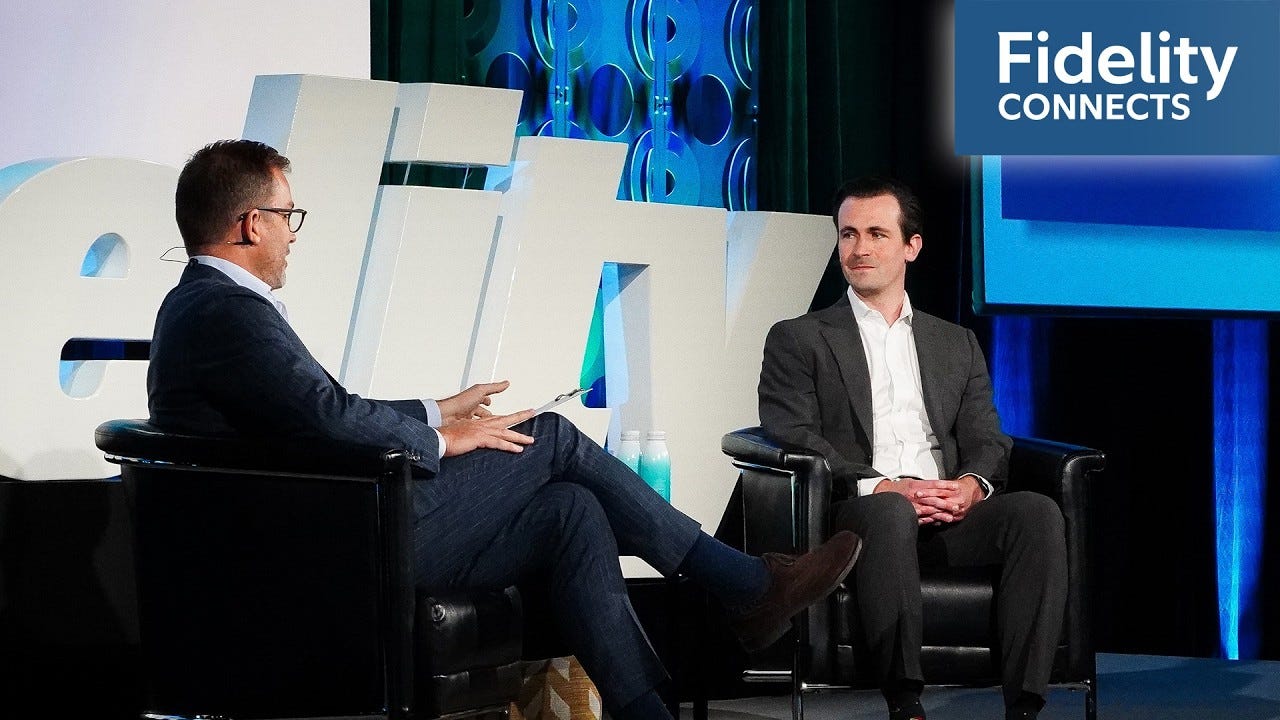
Fidelity's Global Opportunities Long/Short Fund has kept its net exposure to US stocks at about 20% to 30%, and there is no Magnificent 7 stock among its 10 largest holdings.
Many of the funds that did well in the AI rally own the same handful of US technology companies, so an investor who buys 10 of them ends up holding one bet. Nic Bellemare said his fund made some of its biggest gains from AI anyway, by buying companies outside the US and outside the technology sector, including a German gas turbine maker whose shares rose tenfold while the fund held them.
"So, we didn't sit out on the theme, but we found different ways to make money from it." — Nic Bellemare
Nic Bellemare, portfolio manager at Fidelity Investments Canada, on FidelityConnects, runs the fund with Max Adelson, whom he met at McGill University, where the two co-managed a student investment fund. Both joined Fidelity as equity research analysts in 2012, and the strategy ran on the firm's own money for almost three years before it opened to outside investors this year.
The full interview is covered here so you can skip it. 30 minutes of audio, 13 minutes of reading.
Here are the 10 lessons that matter.
Key Takeaways
The fund's net US exposure is about 20% to 30%, with no Magnificent 7 stock in its top 10, even though AI produced some of its biggest winners
A German gas turbine maker rose tenfold while the fund owned it, more than any of the Magnificent 7 over the same period
The case rested on AI data centers ending 20 years of flat US power demand
There is no single AI trade: a new set of cheap companies has benefited each year, from chip manufacturing to power, memory and analog chips
The fund has lately moved AI money into healthcare and into software stocks the market labeled AI losers
The short book holds more than 60 small positions so the fund is never forced to buy back a short for a reason unrelated to the company
The fund is short companies that benefited from post-pandemic US infrastructure spending, and telecom companies with high debt
Sweetgreen's shares fell 80% after the restaurant chain's unit economics failed to support its plan for 1,000 locations
European steel, long one of the worst businesses to own, is now a holding, because European policymakers have started protecting it with tariffs and quotas
1. Low US, No Magnificent 7
Bellemare said the hardest problem for investors and allocators today is real diversification. Market leadership has been so concentrated that funds which look different often own the same leading US technology names.
"Because you can own 10 of these great funds, but you end up with a similar exposure." — Nic Bellemare
The fund's answer is a wider field: no style box, any country, any company size, long and short
He described the setup as one value-oriented investor and one growth-minded investor, given the freedom to cross borders and market caps and to bet against stocks as well as on them. The question they keep asking is what the less obvious way to profit from a trend is.
AI produced some of the fund's biggest winners, while its US exposure stayed low
"So our net exposure has been about 20 to 30%. So we're very heavy on the international side and there's no Magnificent 7 stock in our top 10." — Nic Bellemare
Net exposure is the value of the fund's bets on rising stocks minus its bets on falling ones. Bellemare said the aim is to work in harder-to-reach, less efficient corners of the market, to take part when leadership shifts, and to be different enough to diversify a portfolio.
