

All-In · Oct 19, 2026 · 41m · 33m saved
With Dylan Field, Co-Founder and CEO, Figma
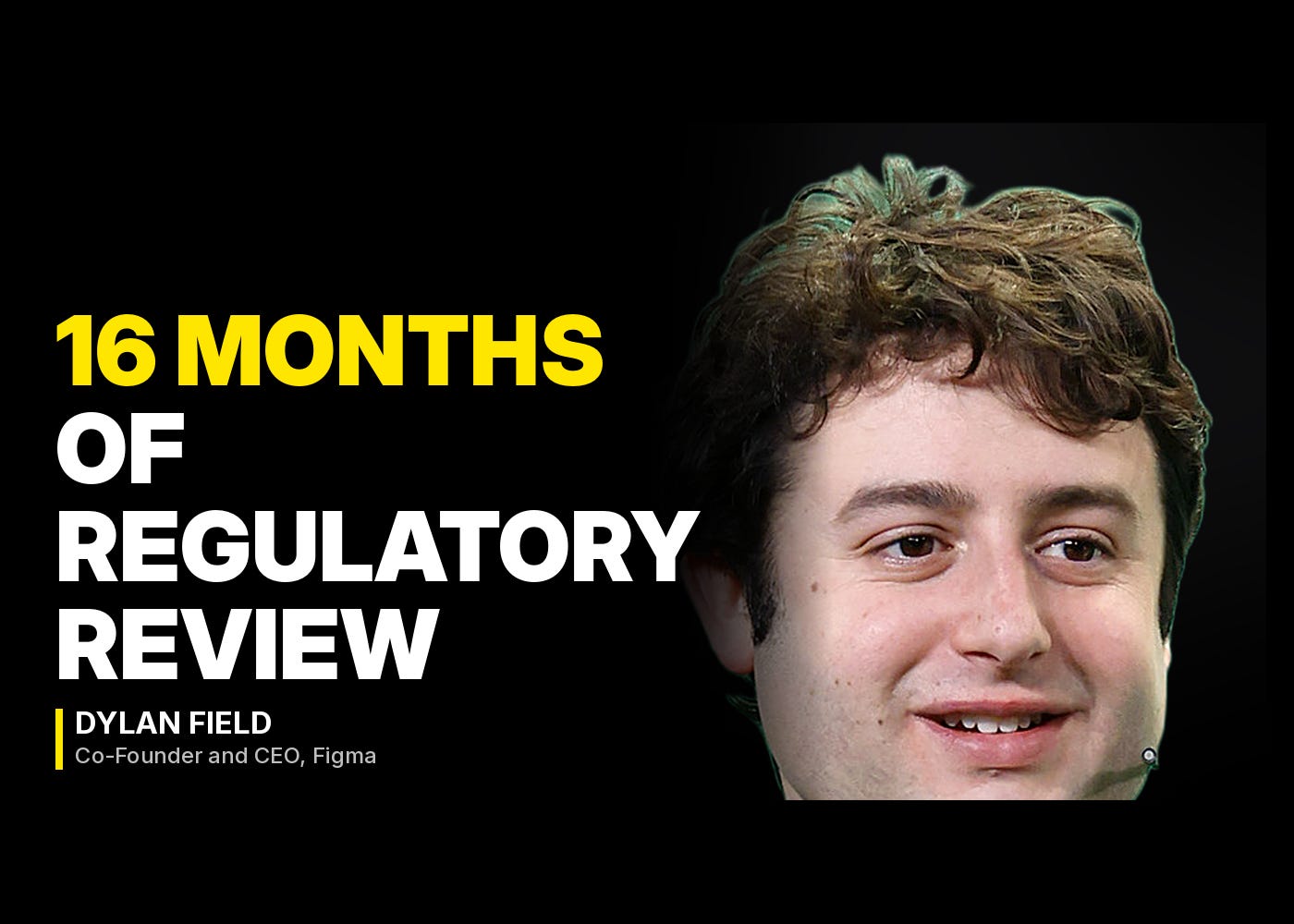
Photo via Wikipedia
Figma is growing 48% year over year, and that growth sped up after Anthropic launched Claude Design, Dylan Field, co-founder and CEO of Figma, said in an interview on the All-In podcast.
The common read is that AI coding tools will hollow out software companies. Dylan, who said he was a "big subscriber" to that thesis, now argues the value moves up a layer, to design, brand and a bold point of view, and that only people can push that work further.
"The ceiling has stayed the same. AI is not raising the ceiling. Humans are raising the ceiling, though." — Dylan Field
Dylan signed a $20 billion sale of Figma to Adobe, watched regulators in three jurisdictions block it, and then had to tell more than a thousand employees the company would stay independent. He is now competing directly with the AI labs that launch design tools of their own.
The full interview is covered here so you can skip it. 41 minutes of audio, 8 minutes of reading.
Here are the 9 arguments that matter.
Key Takeaways
Figma spent 16 months in regulatory review before its $20 billion Adobe deal was blocked
The mood at the all-hands was relief, because the ambiguity was over
Figma's growth sped up to 48% after Anthropic launched Claude Design
Design is the new code, because anyone can now produce the code
AI lowers the floor of production but does not raise the ceiling; people who take non-consensus risks do
Figma asks staff to put "written with AI" at the top of anything AI helped write
OpenAI's math-proof release left Dylan both elated and sad
1. The Blocked $20B Adobe Deal
Figma and Adobe signed a $20 billion deal, then regulators in the US, the EU and the UK's Competition and Markets Authority objected. The review ran 16 months before the deal died.
Dylan Field says the length of the review alone did damage
"We had 16 months of regulatory review. 16 months of regulatory review for any company is punishing." — Dylan Field
Dylan still does not think the deal was anti-competitive. In his view, regulators drew the market by looking backward instead of at where the technology was going, and drew it too narrowly.
Dylan Field says the deal covered a small slice of a large market
"The market is this massive market and this deal is one or two percent of the market." — Dylan Field
He pointed to Amazon's blocked purchase of Roomba as the cautionary case. Roomba went into bankruptcy, and the market it competed in moved to China.
