

a16z · Nov 5, 2026 · 51m · 42m saved
With Praveer Melwani, CFO of Figma
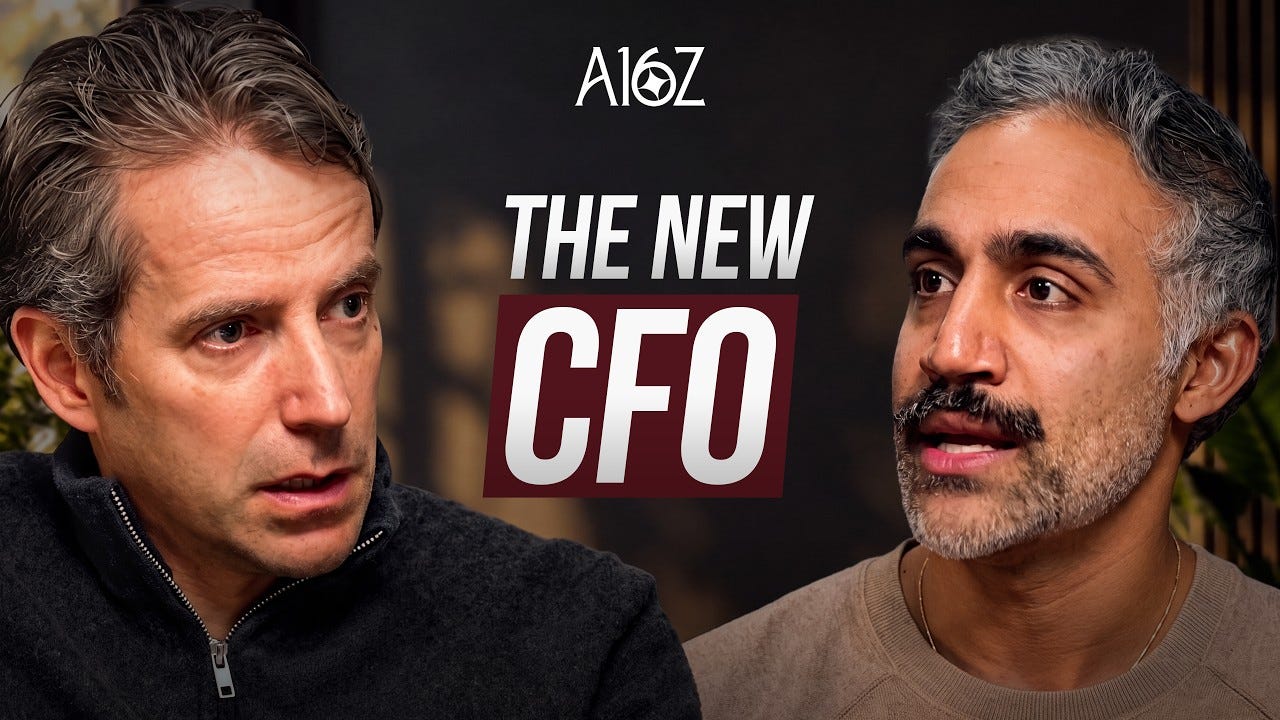
Figma's corporate development team now checks whether it can vibe code a version of a product before it buys the company that makes it. Praveer Melwani, CFO of Figma, told a16z partners Seema Amble and Ivan Makarov on the a16z podcast that most finance staff now build tools for themselves, though he worries about AI output nobody reads.
"Can you vibe code a product is one of the checks that we use in diligence now... it gives you like a solid intuition there." — Praveer Melwani
Praveer joined Figma before any of this automation existed and wrote 400- to 500-line SQL queries himself to tie product usage to Stripe billing data, the work he now sees AI handing to every analyst.
The full interview is covered here so you can skip it. 51 minutes of audio, 9 minutes of reading.
Here are the 8 takeaways that matter.
Key Takeaways
Figma's corp dev team vibe codes a target's product to test how hard its technology is to build
Hiring for finance still turns on curiosity, not skill with an AI tool
In the case study, candidates have to explain which assumptions their model is most sensitive to
Figma builds its own workflow tools but buys its core systems of record
AI has created a flood of documents nobody reads, and Figma now asks staff to disclose AI-generated work
A new CIO from Coinbase will turn one-off automations into shared products
If complexity held flat, Praveer says Figma probably wouldn't need the same finance headcount a year out
New products and acquisitions keep adding work faster than automation removes it
1. From SQL to Live Dashboards
When Praveer joined Figma, the finance team had none of today's automation. He lived in SQL, building master data tables that matched product usage to Stripe billing data. He then handed them to sales systems or to data scientists who folded them into the data pipeline.
He called that hand-built work his original way to multiply his own output. AI now gives any analyst the same reach.
AI puts the tools Praveer once built by hand within reach of individuals
"What I was building way back then is that much more possible and plausible and accessible to individuals today by the tools available to them." — Praveer Melwani
Praveer and Ivan recalled when business data arrived monthly or quarterly, then weekly as it moved to the cloud. Now it updates daily or hourly.
Praveer Melwani treats live data as the core of how he runs his day
"I view data and having access to it as like the key unlock to how I can run my day effectively." — Praveer Melwani
He checks dashboards through the day and expects his team to act on an anomaly right away rather than next week, because catching a problem early can save the business hundreds or thousands of dollars.
