

Photo: USEmbassyMEX, Public domain via Wikipedia
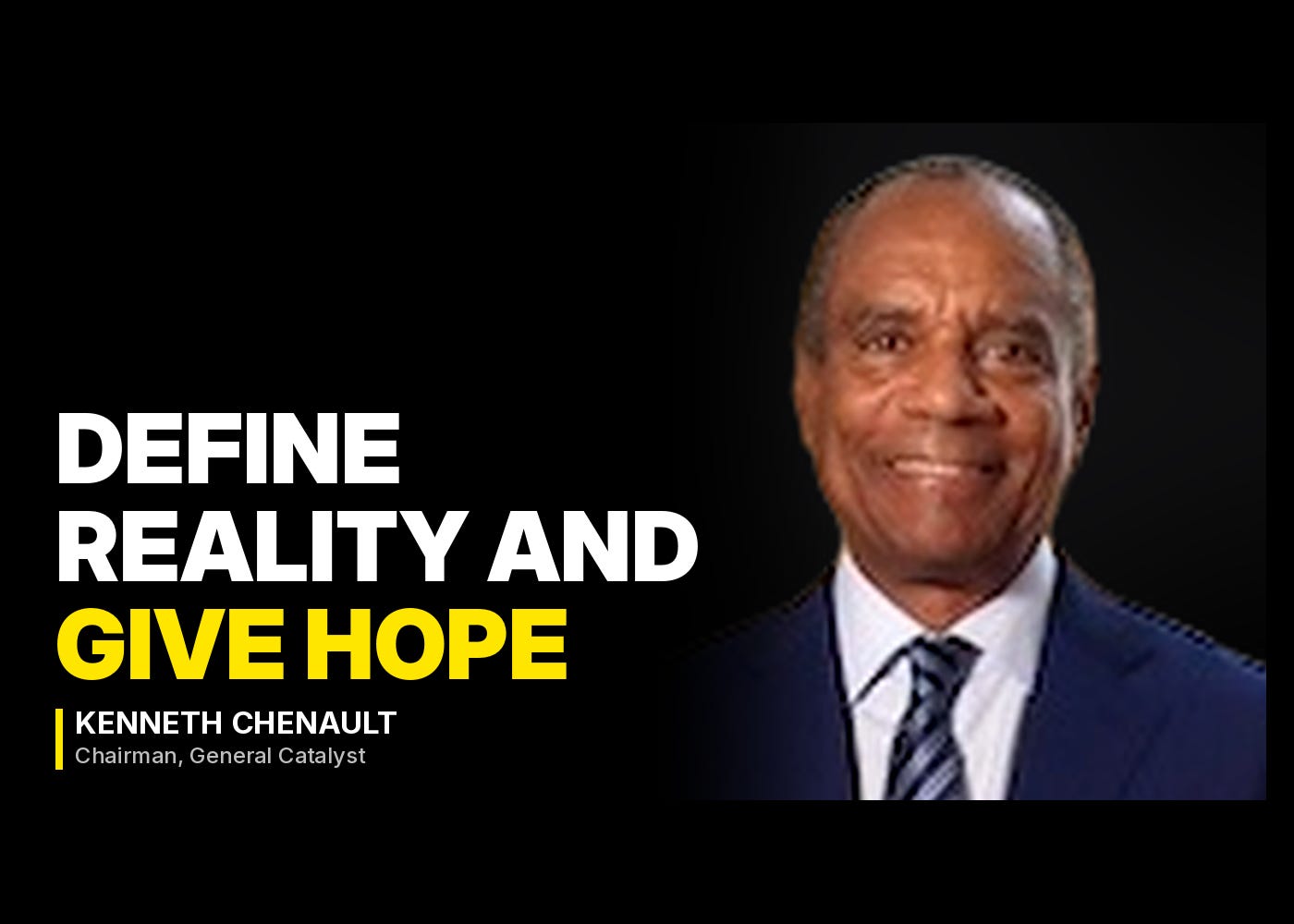
Kenneth Chenault, CEO of American Express from 2001 to 2018 and now Chairman and Managing Director of General Catalyst, told HBR IdeaCast that he reduced Amex's 2008 crisis plan to three objectives: stay liquid, stay profitable and selectively invest in growth.
Some of his team saw staying profitable as a short-term distraction in the middle of a crisis. Kenneth saw it as the proof that the business model could survive a once-in-a-century event.
"The role of a leader is to define reality and give hope."
Kenneth ran Amex through the financial crisis and the shift to mobile payments, and has been through two CEO handovers, one coming in and one going out. He received Warren Buffett's test for a CEO in person, the first time they met.
The full interview is covered here so you can skip it. 32 minutes of audio, 8 minutes of reading.
Here are the 10 principles that matter.
HBR IdeaCast · Oct 27, 2026 · 32m · 24m saved
With Kenneth Chenault, Former CEO of American Express (2001–2018), Chairman and Managing Director of General Catalyst
Key Takeaways
Staying profitable through 2008 proved the Amex business model could survive a once-in-a-century event
CEOs should speak out in two cases: when democracy is threatened, and when an issue contradicts their own stated values
Companies that change their diversity stance with each election had no commitment to begin with
The hardest opponent of innovation sits inside the company, protecting the status quo
Amex's best innovations threatened an existing product
Kenneth's "Ken zone" took two years of work to fix, after 360-degree feedback said he tuned out
A CEO can no longer delegate AI judgment to someone else
Buffett told Kenneth he would be judged on how Amex did for at least 10 years after he left
1. Define Reality, Give Hope
Kenneth builds his approach to crisis leadership on a single maxim: a leader defines reality and gives hope. In 2008 that meant a plan short enough for everyone at Amex to remember.
Kenneth cut Amex's response to the 2008 crisis down to three objectives
"I came up with three objectives and they were really simple. Stay liquid, stay profitable, and selectively invest in growth." — Kenneth Chenault
Staying profitable looked to some of his team like a distraction from survival. He argues it was the opposite, and that investing through the crisis let Amex come out stronger rather than merely intact.
"If we are able to demonstrate that the American Express business model can stay profitable in what is an occurrence maybe one every 100 years, that is going to demonstrate the durability of our business model." — Kenneth Chenault
