

Sourcery with Molly O'Shea · Oct 29, 2026 · 42m · 37m saved
With Jenny Johnson, President and CEO of Franklin Templeton
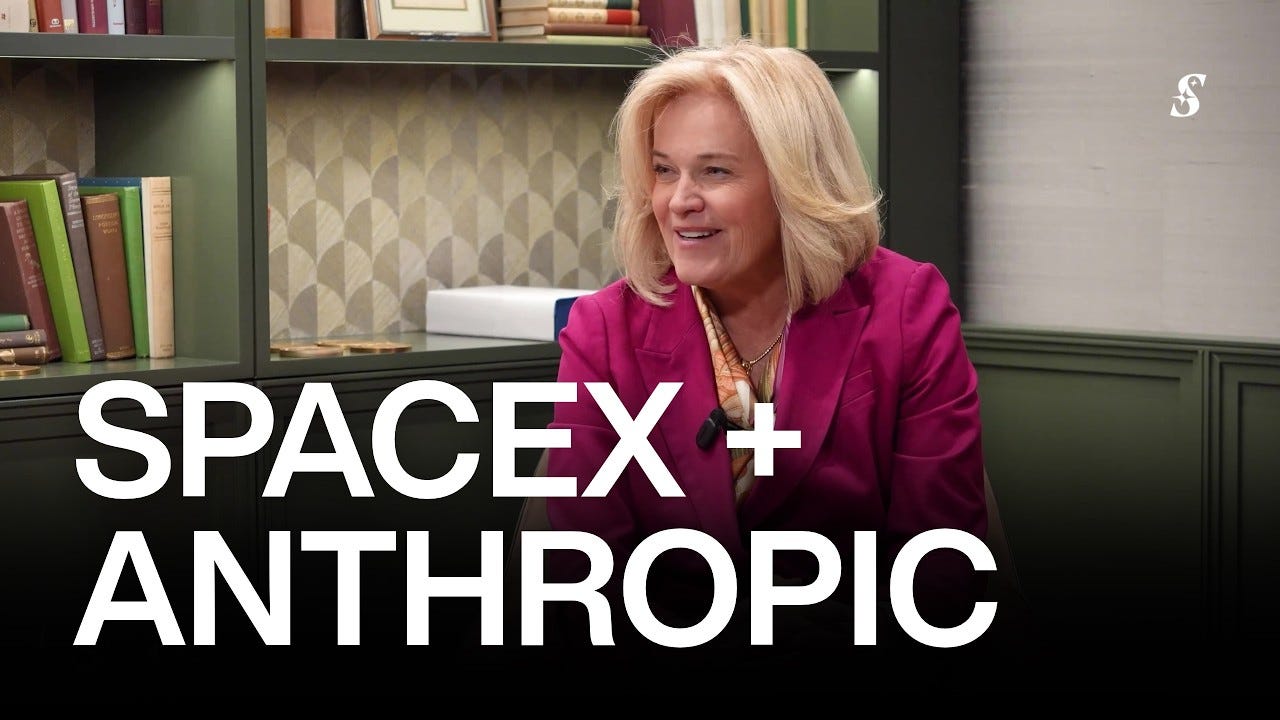
Jenny Johnson separates "a ton of noise" around AI and hyperscaler spending from the broader economy, which she sees as reasonably healthy: inflation sticky but not alarming, a strong US consumer, and most companies beating their own earnings projections.
"There's almost certainly bubbles within this moment in time." — Jenny Johnson, on whether AI is in a bubble
That view hasn't stopped Franklin Templeton from taking venture stakes in both SpaceX and Anthropic, sourced through the firm's own Silicon Valley backyard.
The full interview is covered here so you can skip it. 42 minutes of audio, 5 minutes of reading.
Here are the 5 takeaways that matter.
This Scuttlebutt Summary is available in full to premium subscribers. If you're not one already, please consider subscribing to keep reading.
Key Takeaways
Jenny calls this moment "almost certainly bubbles" in parts of AI, but not the broader economy
About 70% of companies are beating their own earnings projections, outside the AI/hyperscaler narrative
Franklin Templeton holds venture stakes in both SpaceX and Anthropic, sourced through Silicon Valley proximity
She flags Elon Musk himself as the main company-specific risk at SpaceX
Franklin closed its $4.5 billion Legg Mason deal 60 days early, three weeks before COVID hit markets
1. Bubbles, But Not Broadly
Jenny draws a hard line between noise and the real economy. She separates circular AI financing structures and revenue-recognition questions from broader conditions she calls reasonably healthy: inflation probably sticky, rates likely to stay higher but not historically unusual, and a strong consumer.
Most companies are beating their own numbers, AI story aside
"Something like 70% of companies beat their projected earnings." — Jenny Johnson, on current corporate performance outside the AI/hyperscaler narrative
Productivity is up about 2%, which Jenny attributes to older technologies like digitization and cloud, not AI yet — a distinction she returns to when she makes her case for why the AI trade isn't finished.
