

SiliconANGLE theCUBE · Nov 18, 2026 · 19m · 13m saved
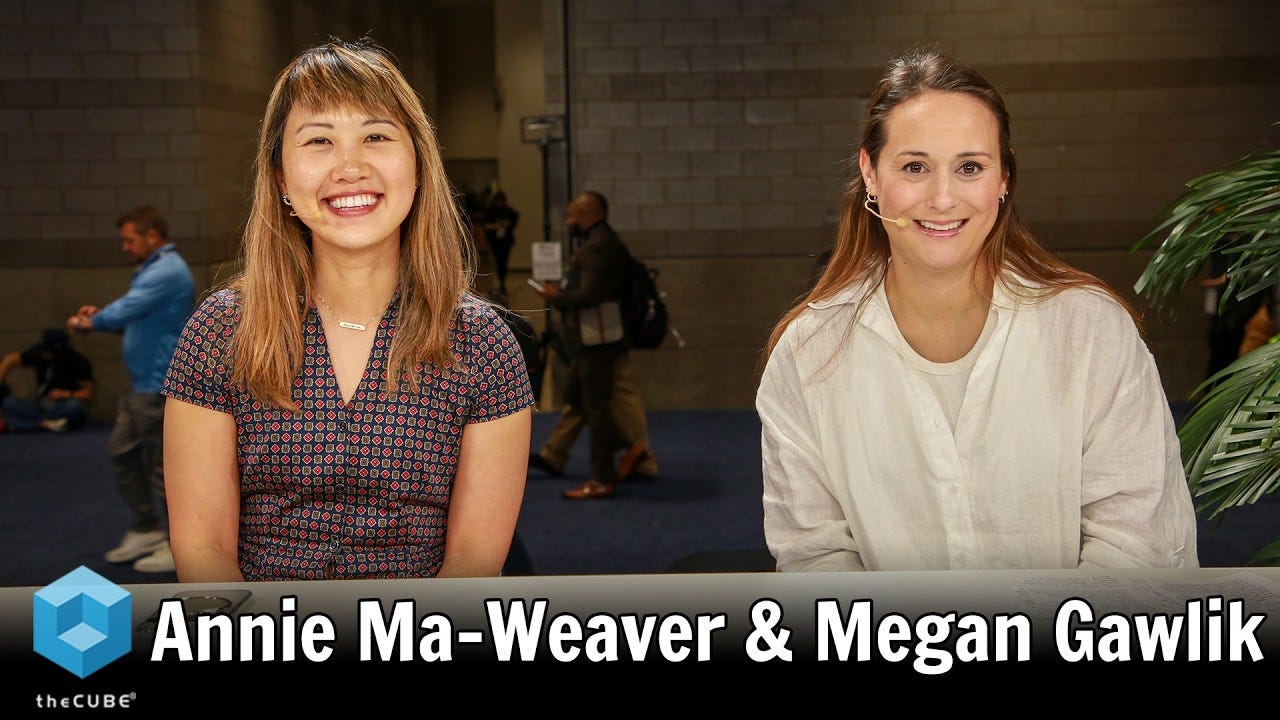
With Annie Ma-Weaver, Head of HPC Product at Google Cloud · Megan Gawlik, HPC Product Manager at Google Cloud
A decade ago, cloud HPC's whole pitch was "practically limitless" capacity. Annie Ma-Weaver says that's no longer true — capacity itself is now genuinely constrained, and Google Cloud's pitch has shifted to what it calls "agentic HPC."
"Back then we talked about... practically limitless was like the tagline we used for cloud capacity... now we see that more and more capacity is actually very challenging to get." — Annie Ma-Weaver
Annie and Megan Gawlik, both of Google Cloud, told SiliconANGLE theCUBE's Rebecca Knight and John Furrier at SC26 how AI is changing what researchers measure, what they simulate, and what they risk losing.
The full segment is covered here so you can skip it. 19 minutes of audio, 6 minutes of reading.
Here are the 6 takeaways that matter.
Key Takeaways
Cloud HPC has moved from "bursting to cloud" to "agentic HPC" as capacity got scarce
Purpose-built hardware, open orchestration and collaborative AI agents are the three pillars
The field's defining metric shifted from raw petaflops to "time to discovery"
Google DeepMind's "co-scientist" tool tournament-ranks hypotheses with an ELO-style system
AI now runs before simulations even start, skipping parameters that don't matter
It also generates novel candidate prototypes for engineers to simulate and test
Younger researchers risk losing critical-thinking skills to AI output, Megan says
"AI slop" still needs to be treated as one input among several, not trusted outright
Open-source orchestration avoids vendor lock-in, even as providers hit capacity limits
Nvidia-owned Slurm still ships some of Google Cloud's most cutting-edge TPU support
NOAA's hurricane model gave responders more lead time on Hurricane Melissa's landfall
The storm was the strongest on record to hit Jamaica
1. From Bursting to Agentic HPC
Annie traces a decade-long arc in how cloud HPC sells itself.
Cloud HPC's pitch has moved from an experimental "bursting" workload with "practically limitless" marketed capacity to "agentic HPC"
"We're calling [it] agentic HPC... combining three key pillars: purpose-built hardware... cloud-native orchestration, and... collaborative AI agents." — Annie Ma-Weaver
Those agents help scientists go from an idea on paper to assembled hardware and software, and to a faster time-to-insight, without needing to master the "nitty-gritty" of cluster orchestration themselves.
