

Build Mode · Sep 24, 2026 · 42m · 29m saved
With Ashley Tyrner-Dolce, Founder of FarmboxRx and Operating Partner at HLM Investment Partners
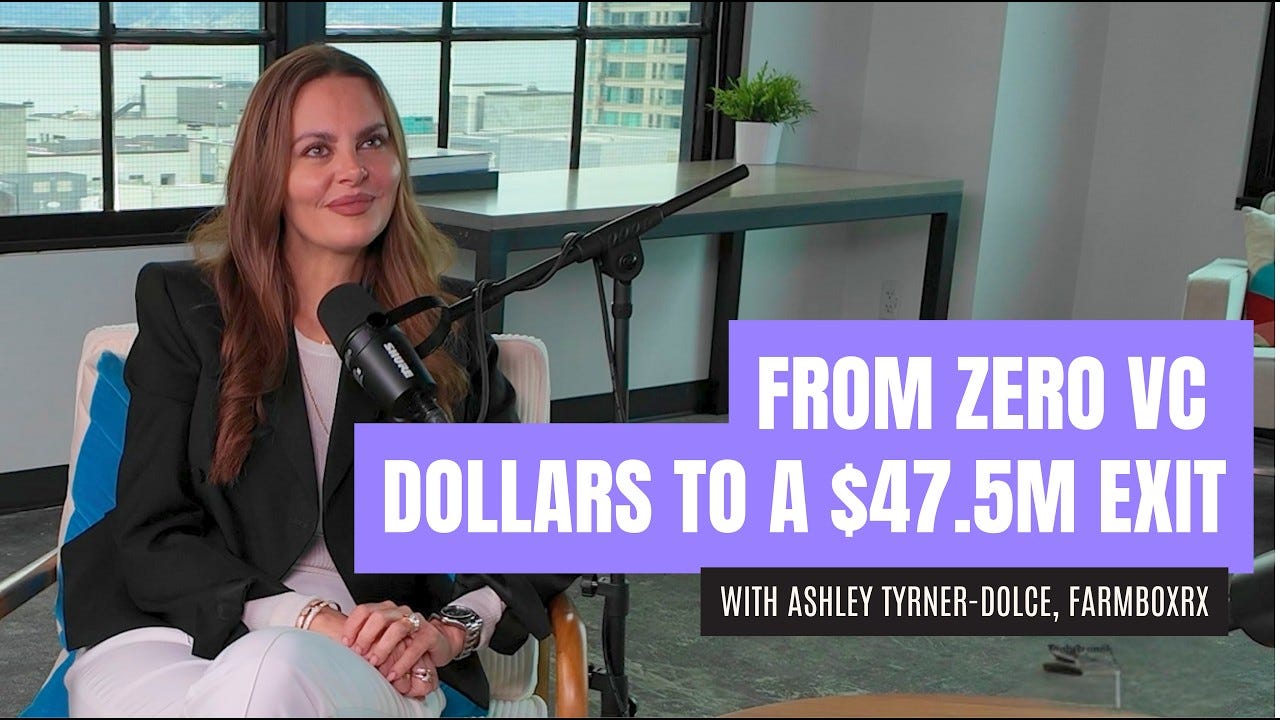
Ashley Tyrner-Dolce started FarmboxRx 12 years ago and sold it without taking any outside investment, after walking away from several term sheets and acquisition offers.
Venture investors she pitched early on wanted the business to become a meal-kit company. She kept selling fresh produce to low-income households instead, and built it into a company that health plans pay to reach their Medicaid and Medicare members.
"I've had to cease my salary more times than I ever want to remember, right?"
Ashley Tyrner-Dolce, founder of FarmboxRx and now an operating partner at healthcare investor HLM Investment Partners, on Build Mode. She started the company after living on food stamps in a rural area with no nearby grocery store, and she has no college degree.
The full interview is covered here so you can skip it. 42 minutes of audio, 13 minutes of reading.
Here are the 17 lessons that matter.
Key Takeaways
Early VCs pushed her toward meal kits, which her low-income customers could not afford
One prominent San Francisco VC asked her whether poor people want to eat healthy food
Founders should sell themselves, and her hired head of sales did not work
Stretching vendor terms to 60 or 90 days, plus an American Express card, funded daily operations
She stopped paying herself more times than she can remember to make payroll
Taking investor money would have left her with less at the sale, she found when she reread old term sheets
Her first hire in a new company would be a chief operating officer
She would not raise a seed round again, and would wait for traction before taking outside money
Bootstrapping with a previous exit's money is not the same as bootstrapping with nothing
1. Food Stamps to FarmboxRx
The company came out of her own experience of hunger
She was on food stamps while pregnant with her daughter, now 15, and lived in a rural area where the nearest Walmart was a 30-minute drive. Food stamps could not yet be used online, so the card had to be used in person.
"And so I thought there must be a better way." — Ashley Tyrner-Dolce
About 12 years ago she launched Farmbox Direct in New York City, selling fresh produce directly to consumers, just before the meal-kit boom. It later became FarmboxRx, a healthcare company.
"I think that's a really important thing that I tell to any founder or CEO, is the market is going to tell you what your product is going to become." — Ashley Tyrner-Dolce
The mission stayed the same throughout, she said: getting fresh fruit and vegetables to low-income people in areas with no grocery store.
