

SiliconANGLE theCUBE · Nov 5, 2026 · 26m · 18m saved
With Trabue Bland, Senior Vice President, Futures Exchanges at Intercontinental Exchange, previously President of ICE Futures U.S.
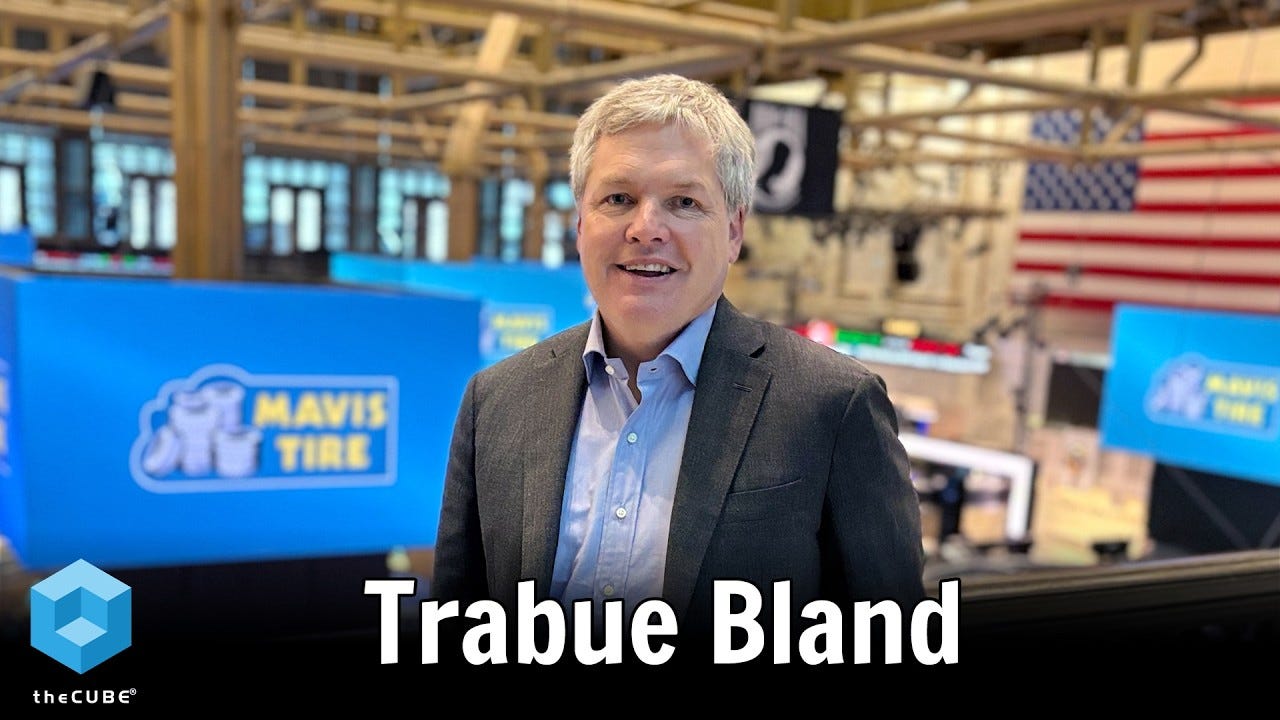
ICE is turning the price of renting AI chips into a futures contract, the way it once did for oil and natural gas. Trabue Bland, senior vice president for futures exchanges at Intercontinental Exchange, told John Furrier on SiliconANGLE theCUBE that AI runs on energy first, and that the companies racing to build it will need to hedge compute just as refiners hedge crude.
"I've never had a contract like this where people are firmly calling me. We have random consultants calling us all the time saying, 'I'll just pay you money to talk to us.'" — Trabue Bland
Trabue previously ran ICE Futures U.S., and he watches power prices in markets from Texas to Singapore. Those prices showed ICE the AI boom inside its own energy data before most benchmarks did.
The full interview is covered here so you can skip it. 26 minutes of audio, 8 minutes of reading.
Here are the 9 insights that matter.
Key Takeaways
ICE's power markets have exploded over the past couple of years because of AI and data centers
ICE is building futures on actual GPU rental rates, with a second contract that strips out energy
What an AI company pays for compute is a key question before an IPO, Trabue says
A stake in OKX and a deal with Hyperliquid are how ICE is moving into crypto
Cheap energy will decide where AI data centers get built, as it decided where Detroit and Buffalo grew
Some companies that call themselves AI companies are basically energy companies
1. ICE Grew Up in Energy
John Furrier hosted the segment from theCUBE's NYSE studio, as part of a series on leaders building the future of energy. Trabue compared AI to the Industrial Revolution, where the breakthrough was not the steam engine itself but how much more efficiently it used energy. He described AI as layers: energy at the bottom, intelligence above it and robotics on top, all of it powered by energy.
ICE began with energy too. It started small, listing contracts that copied other exchanges', then bought its way into a global market.
ICE bought a global oil market by acquiring the International Petroleum Exchange
"Our biggest one was Henry Hub and then we bought the international petroleum exchange and bought basically a global oil complex with that." — Trabue Bland
Over time ICE added environmental derivatives and more and more narrowly defined power contracts. Its energy exchanges now run in the US, London, Amsterdam, Abu Dhabi and Singapore.
AI demand has driven a surge in ICE's power trading
"We've seen with the AI and the data center boom, we've seen our power markets basically explode over the past couple of years." — Trabue Bland
