

FidelityConnects · Oct 18, 2026 · 40m · 32m saved
With David Wolf, Portfolio Manager at Fidelity Investments Canada, formerly of the Bank of Canada · David Tulk, Portfolio Manager at Fidelity Investments Canada · Ilan Kolet, Institutional Portfolio Manager at Fidelity Investments Canada
Fidelity Investments Canada sold all of its direct US Treasury holdings toward the end of last year. Since then the 10-year yield has climbed from roughly 4% to about 5.25%, half of that move in the last few weeks.
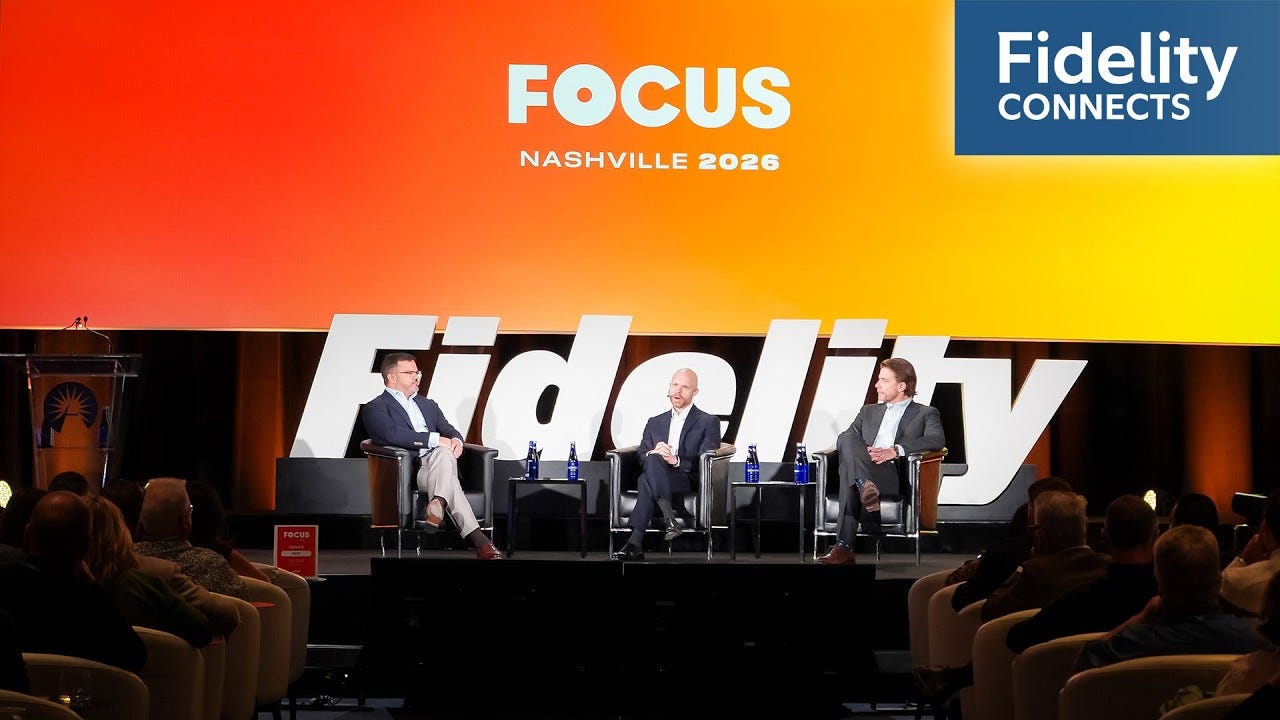
David Wolf and David Tulk, portfolio managers on Fidelity's Global Asset Allocation team, told a FidelityConnects panel at the firm's FOCUS2026 conference that the selloff is not a sign of trouble. Most investors read rising yields as an inflation scare. David Wolf reads them as a strong economy pulling real interest rates up.
"In our judgment, it's been entirely the first piece of that that's been driving the increase in bond yields. It's because the economy is strong and investment is strong." — David Wolf
David Wolf worked at the Bank of Canada before joining Fidelity in 2013, and the team runs the firm's global balanced portfolios. Ilan Kolet, an institutional portfolio manager on the same team, was billed as the third panelist. The questions came from a moderator the recording does not name.
The full episode is covered here so you can skip it. 40 minutes of audio, 8 minutes of reading.
Here are the 6 calls that matter.
Key Takeaways
Rising bond yields reflect a strong economy and heavy AI investment, not an inflation scare, in Fidelity's reading
Fidelity sold all its direct US Treasuries late last year and has kept trimming US bonds since
A Fed that follows rates up is fine; one that slams on the brakes to fight inflation is not
David Wolf can no longer be fully sure the Fed is free of political pressure
The fund is cautious on US stocks but has not sold them, and splits its equities into AI exposure and ballast
Canada has gone from "bad to less bad" after roughly a decade of underweights
Bonds and the US dollar no longer hedge stocks reliably, so the team is buying emerging-market debt, gold and liquid alternatives
1. Yields Rose on Real Growth
David Wolf split a bond yield into three parts, to show which one has moved.
David Wolf breaks a bond yield into real growth, inflation and a risk premium
"There's a fundamental real interest rate piece which reflects what's happening in the economy. There's the inflation and inflation expectations piece... And then there's a risk premium or term premium piece, which is basically a catchall for things you worry about, up to and including whether you're going to be paid back." — David Wolf
In his view, the whole recent rise came from the first part. For more than a decade, Ben Bernanke's global savings glut and Larry Summers's secular stagnation held rates down. The AI spending boom has flipped that balance between savings and investment and pushed real rates up.
That is bad news for anyone holding bonds. It is less bad for stocks, because the growth that raises the discount rate also raises the earnings it is applied to.
"If you buy a long bond at 4%, it goes up to 5%, you've lost 20% of your money, right? That's just bond math. That's bad." — David Wolf
Fidelity's earlier exit from US Treasuries has softened the blow. The firm has also been selling down its wider US fixed-income holdings this year, which David Wolf said has cushioned the portfolio in "a pretty savage bond selloff."
