

The MAD Podcast with Matt Turck · Oct 15, 2026 · 1h 8m · 59m saved
With Diogo Almeida, CEO of TypeSafe and co-inventor of RLHF at OpenAI
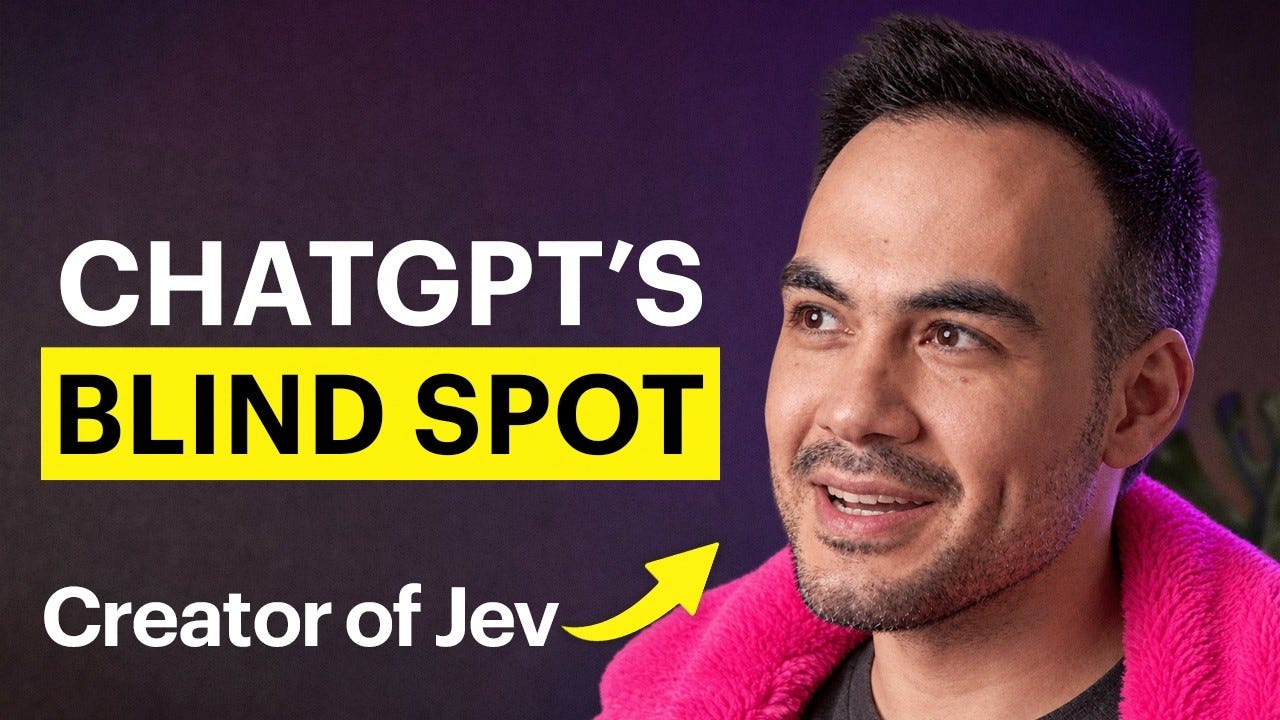
Three weeks after launch, TypeSafe's Jev was handling a trillion tokens a day, with roughly a third of the Fortune 500 using it.
Diogo Almeida, CEO of TypeSafe, told Matt Turck on The MAD Podcast that Jev is not a smaller chatbot. Most AI companies sell a model that writes text. Diogo built one that makes decisions a program can call, trust and audit.
"95% Einstein, 5% Mr. Bean, and if it doesn't tell you when it's the Mr. Bean, then how are you going to automate anything?" — Diogo Almeida
Diogo helped invent RLHF at OpenAI, the training method behind the chat models his company now argues against. TypeSafe spent two years in stealth on less than $40 million before closing an $870 million Series A at a $7.5 billion valuation the day before the recording.
The full interview is covered here so you can skip it. 68 minutes of audio, 10 minutes of reading.
Here are the 14 arguments that matter.
Key Takeaways
AI that is right 95% of the time cannot automate anything if it does not say when it is wrong
Jev returns calibrated probabilities instead of text, so developers can set their own thresholds
RLHF made models pleasing, not reliable, and Diogo says the automation it promised did not happen
Defining the task matters more than the training algorithm, in every AI paradigm so far
Competitors copied Jev's interface in weeks, but not its reliability
Diogo built similar demos in his first week and calls them "so unbelievably dumb that it was embarrassing"
Benchmarks hurt the users with the least time to test models themselves
Diogo does not see current AI heading for recursive self-improvement, but thinks the AI winter he feared is averted
1. Machine-Native, Not Chat
Diogo would not frame Jev around "System One," the fast, intuitive mode from Thinking, Fast and Slow. He called that an implementation detail of a bigger idea, which he calls machine-native AI.
Diogo Almeida says mainstream AI is a chat box bolted onto software
"AI is always like the chat box to the side that happens to be the main character in its own little show, because it doesn't play nicely with software." — Diogo Almeida
His complaint is structural. Software from the 1980s to the 2020s grew by composing simple, reliable logic gates into enormous systems. Jev's bet is that AI can supply that same reliability one decision at a time.
Unreliable AI cannot be trusted inside an automated decision
"95% Einstein, 5% Mr. Bean, and if it doesn't tell you when it's the Mr. Bean, then how are you going to automate anything?" — Diogo Almeida
A model that is brilliant most of the time is still unusable in a pipeline if it cannot flag its own failures. That is the gap Jev is built to close.
