

The Peter McCormack Show · Oct 19, 2026 · 1h 17m · 69m saved
With David Wood, Chair of London Futurists; former senior executive at Psion and Symbian
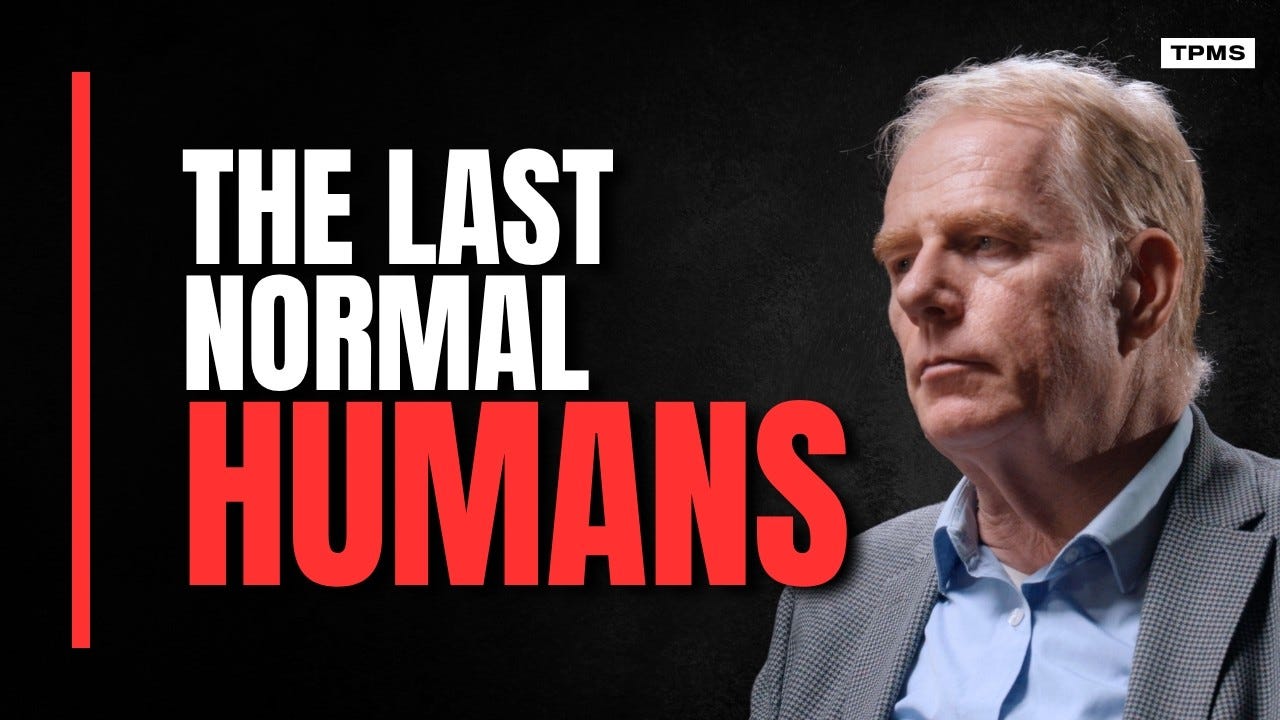
Symbian's software ran on most of the first half-billion smartphones, and David Wood, chair of London Futurists and a former senior executive at Psion and Symbian, told Peter McCormack on The Peter McCormack Show that the people who built it badly misjudged what phones would do to society.
Most technologists talk about AI and life extension as distant possibilities. David says the change is close enough that people alive now may be the last who are not augmented by technology.
"Almost certainly, yes. Might be the last decade of so-called normal humans. Might be the last few years of almost normal humans." — David Wood
David helped build Psion, the UK company that invented the handheld electronic organizer, and then Symbian, whose operating system ran on phones from Nokia, Motorola, Samsung, Ericsson and Sony before rivals overtook it.
The full interview is covered here so you can skip it. 1 hour 17 minutes of audio, 8 minutes of reading.
Here are the 9 predictions that matter.
Key Takeaways
Symbian's team underestimated the smartphone market and did not foresee social media addiction or its link to suicidal thoughts
A 1995 Tokyo cult failed to kill on the scale it wanted, and David says a group like it today would have AI to fill the knowledge gap
General AI should not act on its own in the real world, but propose theories for humans or simpler systems to check
Enough money for biological research could make aging optional, a change David compares to the end of slavery
The offer is a choice, not forced immortality: people could keep living, or decide they are satisfied and stop
David expects people to spend years or even centuries inside simulated worlds
The transition will be hard: jobs are disappearing faster than expected and AI weapons are already in use
1. From Psion to Symbian
David's view of the future comes from having helped build one. At Psion he worked on the first handheld organizers, and later Symbian supplied the operating system for most early smartphones.
David Wood says Psion's team tried to think a hardware generation ahead
"We dared to be futurists in the sense of thinking what technological possibilities will the next generation of hardware, the next generation of software enable." — David Wood
Even so, the team misjudged the size of what it was building. Symbian was not profitable until around 2005, although its software eventually ran on hundreds of millions of phones.
David Wood says Symbian badly underestimated the smartphone market
"We were hopelessly wrong. It was much, much, much larger than we initially thought." — David Wood
