

Lumida Wealth · Nov 14, 2026 · 24m · 17m saved
With Ram Ahluwalia, CEO of Lumida Wealth
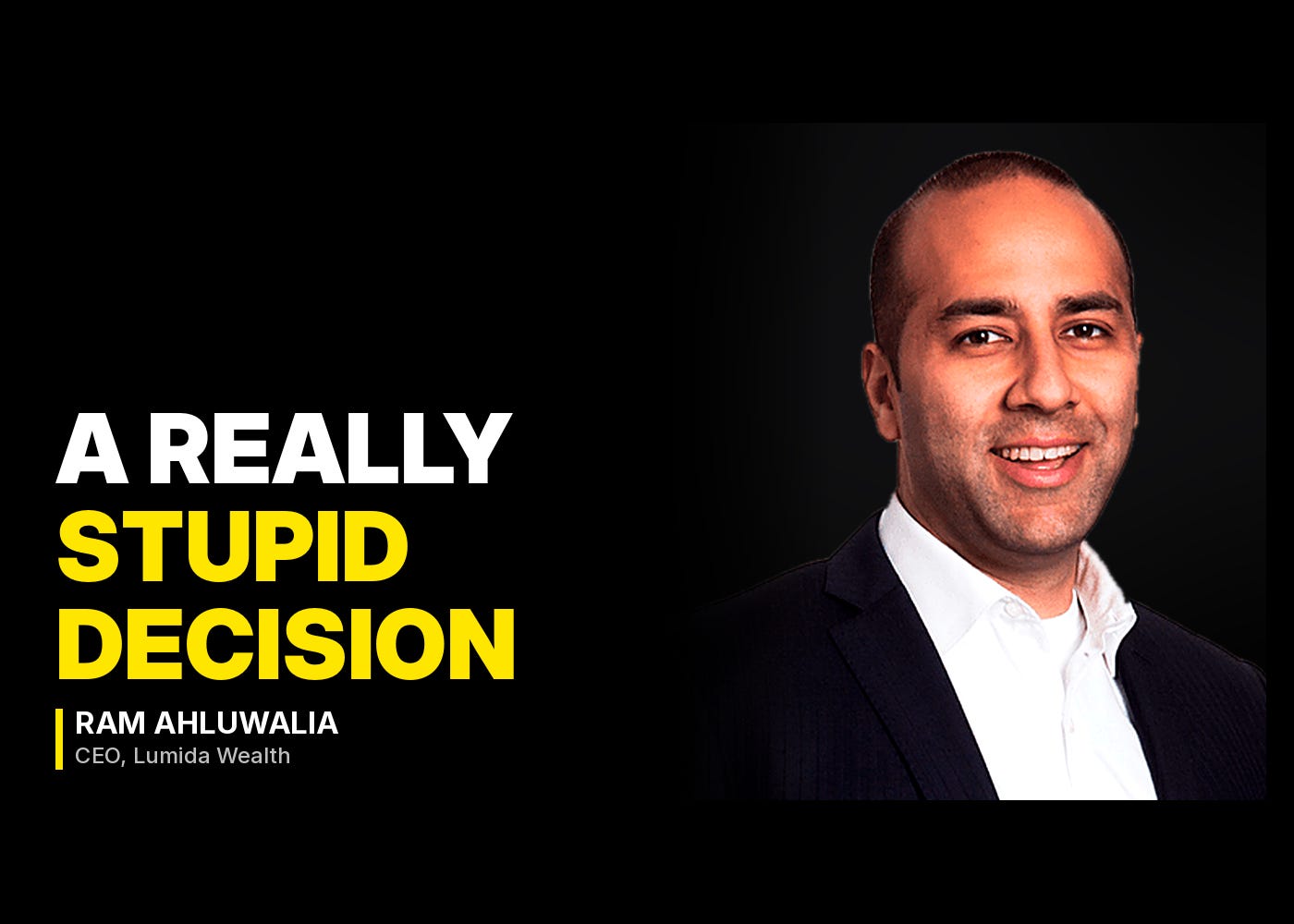
Photo via lumidawealth.com
Nvidia's board replaced Jensen Huang with the company's chief financial officer, and Ram Ahluwalia, CEO of Lumida Wealth, said on his Non-Consensus Investing podcast that the choice was a mistake. The obvious successor, in his view, was the executive who runs the data-center business, Nvidia's largest and fastest-growing unit.
Jensen's exit is the headline. Ram focused instead on the people left running the company and the financing deals that may not survive his departure.
"Just because a C is in the title doesn't mean that they're driving the direction of the company. They're running spreadsheets, financial budgeting, forecasts, but they have less texture and feel for that." — Ram Ahluwalia
Ram founded Lumida Wealth, a wealth-management firm, and his case rests on comparing Nvidia's finance chief with the more hands-on CFOs at Anthropic and Google.
The full episode is covered here so you can skip it. 24 minutes of audio, 7 minutes of reading.
Here are the 9 calls that matter.
Key Takeaways
Nvidia's data-center chief, not its CFO, should have become chief executive, because he owns the customers and the product
Nvidia's board has no operators or founders to judge a succession
Customer financing that Jensen Huang pushed is likely to shrink, though Ram estimates its returns at roughly 15% to 30%
Most AI-wrapper startups lack a moat once a platform such as Claude enters their lane
Regulated industries are the exception, because the big AI labs lack the licenses
Meta is late to prediction markets but can watch which apps grow fastest on its own platform
Chinese open-weight models now take about 25% of token share, up from single digits two years ago
Ram does not expect a Justice Department case over chips that reached China
1. Meta Is Late Again
Ram opened on Meta's new prediction-market app, built to compete with Polymarket and Kalshi. He placed it alongside Libra, later renamed Diem, in digital currency and the metaverse as cases where Mark Zuckerberg arrived after others.
Ram Ahluwalia sees Meta's prediction-market app as a catch-up move
"I think this is more about late to the party and trying to play fast catch-up." — Ram Ahluwalia
Meta still has an advantage, in Ram's view. It can see which prediction-market and AI apps grow fastest on its own platform, much as Amazon studies its best-selling third-party merchants, and then build a competing product with wider distribution.
