

All-In · Nov 13, 2026 · 1h 24m · 73m saved
With Chamath Palihapitiya, Founder and CEO of Social Capital · Jason Calacanis, Angel Investor and Managing Partner at LAUNCH · David Sacks, General Partner at Craft Ventures · David Friedberg, Founder and CEO of The Production Board
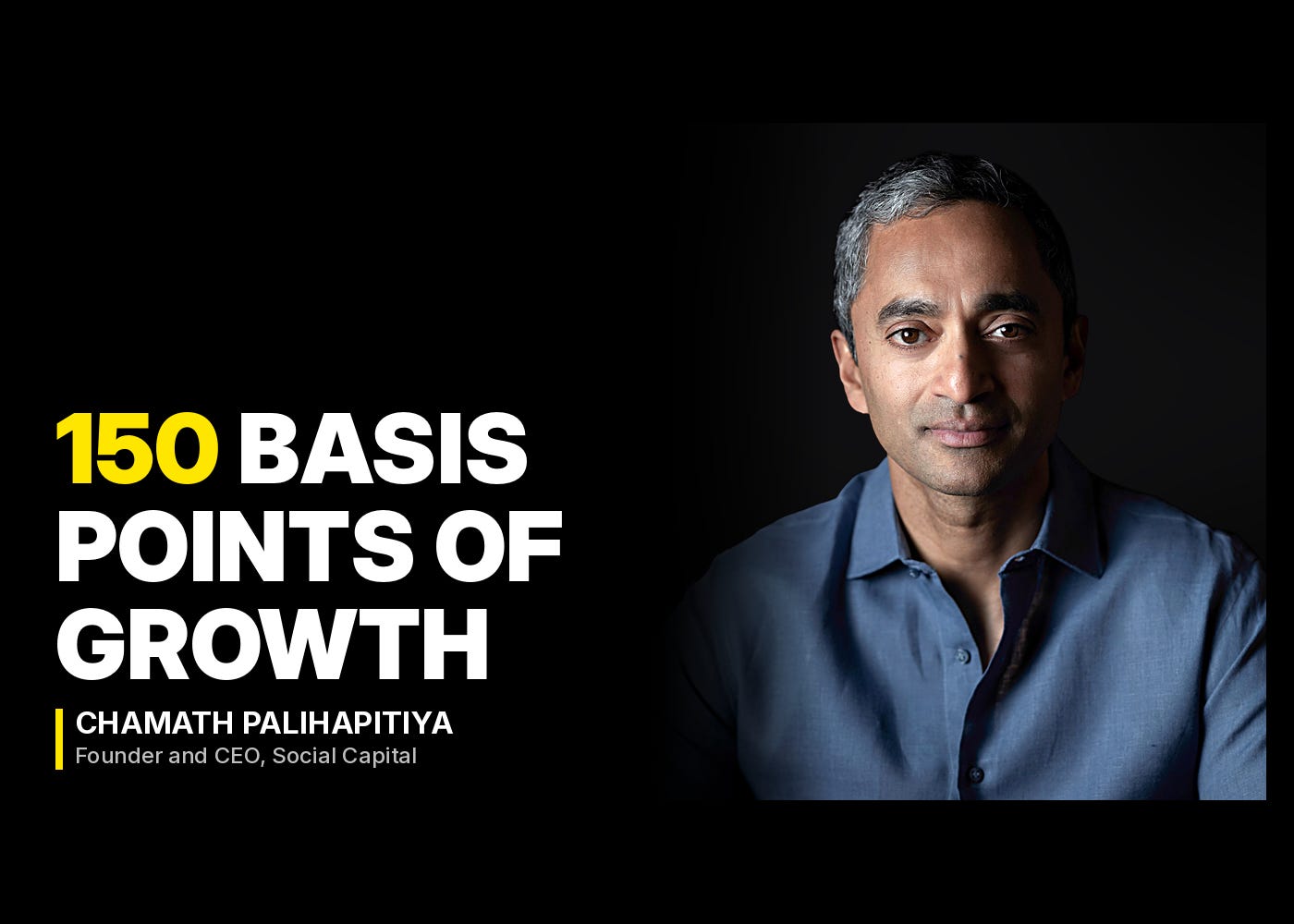
Photo via Wikipedia
Nvidia's stock fell about 15% in the week Jensen Huang resigned after 33 years as chief executive. Chamath Palihapitiya, founder and CEO of Social Capital, told All-In that the bigger cost may land on the economy, because Huang personally steered much of the capital that funds the AI build-out.
Most coverage of the week has focused on the scandal. The four panelists spent as much time on what Huang's exit does to AI financing, chip export policy and Anthropic's IPO.
"The Bank of Nvidia ran through Jensen, and it's not clear what happens now. Is the bank closed indefinitely? Is it closed for some period of time and it restarts?" — Chamath Palihapitiya
All four run investment firms that back technology companies, and David Sacks walked through the history of the export rules for the chips at the center of the story.
The full episode is covered here so you can skip it. 1 hour 24 minutes of audio, 11 minutes of reading.
Here are the 15 takeaways that matter.
Key Takeaways
David Sacks says the leak of a classified memo is a federal crime that nobody appears to be investigating
The board may have acted over a disclosure failure, not a crime, in David Friedberg's and Chamath's reading
Huang's exit could cost "50 basis points to 100 to 150 basis points of growth," in Chamath's estimate
China's government has banned the H20 and H200 to protect Huawei, which undercuts the "soft on China" charge
The panel wants shareholders able to bring Huang back if he is cleared of wrongdoing
"80% has to do with the broad-based economy," Chamath said of Anthropic's valuation
David Sacks calls recursive self-improvement the most dangerous work in AI, and Anthropic is selling it as an advantage
1. Six Days at Nvidia
Jason Calacanis, an angel investor and managing partner at LAUNCH, opened with the timeline. On Friday, November 6, the New York Times reported that a businesswoman close to Huang had been identified in a leaked, classified intelligence memo as a suspected Chinese intelligence asset. She is an executive at MegaSpeed, a Singapore-based data-center company that the panel said had helped move about $7.5 billion of chips to Chinese customers since 2023.
Huang admitted an affair in a companywide email on November 8, and further affair allegations followed. He then resigned, and the board named Colette Kress, the chief financial officer, interim chief executive ahead of Nvidia's earnings the following Tuesday. Huang has denied that national security or Nvidia secrets were compromised, CNBC has reported.
David Sacks says Huang's exit costs the US its lead in AI chips
"I think this is a tragic situation... tragic for the United States of America because Jensen is one of the key reasons why we have a major advantage in AI accelerator chips and GPUs." — David Sacks
