

Schwab Network · Oct 19, 2026 · 53m · 44m saved
With Dave Mazza, CEO of Roundhill Investments
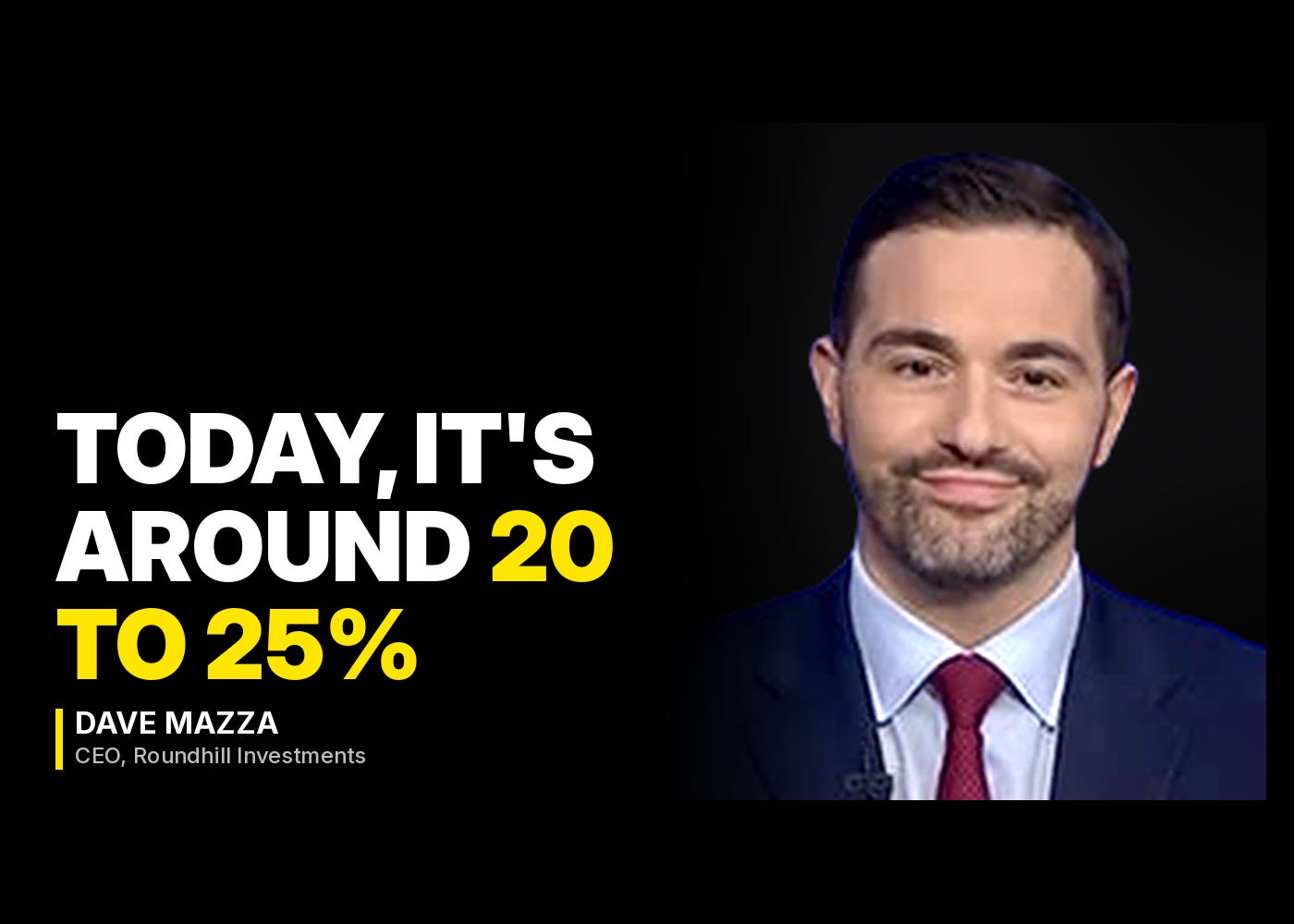
Photo via roundhillinvestments.com
Roundhill Investments managed under $10 billion at the end of 2025 and more than $40 billion about nine months later. Dave Mazza, CEO of Roundhill Investments, told Marley Kayden on Schwab Network's Market Matters that most of that growth came from one fund, the memory chip ETF DRAM, which he says became the fastest ETF since 1993 to pass $25 billion in assets.
Many investors still treat heavy retail buying as a sign to sell. Dave says retail investors now set prices, and that the ones Roundhill hears from do more research than the "dumb money" label allows.
"Prior to 2020-2021, [retail's share of equity volume was] somewhere around 8 to 10%. Today, it's around 20 to 25%. There are some days where it's 30 to 35%." — Dave Mazza
Dave runs the issuer behind the Magnificent Seven ETF, MAGS, and DRAM, and his firm builds funds around themes that ordinary US investors could not easily buy before.
The full interview is covered here so you can skip it. 53 minutes of audio, 9 minutes of reading.
Here are the 9 arguments that matter.
Key Takeaways
Roundhill grew from under $10 billion to more than $40 billion in about nine months, mostly on its DRAM memory ETF
DRAM holds companies earning more than 50% of revenue from memory and storage, not a diluted sector basket
Retail's share of US stock volume has risen from 8-10% before 2020 to 20-25%, with some days at 30-35%
A meme stock now means a volatile stock that retail moves and Wall Street research ignores
The bigger risk in memory chips is the split between Eastern and Western technology, not any one company
Private credit and private equity will come to investors in ETF form, without the need for a large account
1. Themes Beat Sectors
Dave's starting point is that what a company does now matters more to its stock than the sector or style box it sits in.
Dave Mazza says themes have mattered more than sectors since COVID
"As we've seen with the market dynamics evolve, particularly in the post-COVID period, themes really matter more than just what sector you're in or what style you're in." — Dave Mazza
That view drove Roundhill's growth. Its DRAM ETF, which holds memory chip makers, took the firm from under $10 billion of assets at the end of 2025 to more than $40 billion about nine months later. Dave said DRAM became the fastest ETF in history, counting back to 1993, to cross $25 billion.
"It really was built on sort of the ethos that we've been working on at Roundhill since the start of the firm in 2018... we're looking for an intersection of a few areas." — Dave Mazza
