

Freakonomics Radio · Oct 24, 2026 · 59m · 51m saved
With Sean Astin, actor and President of SAG-AFTRA · Kevin Kelly, co-founder of Wired
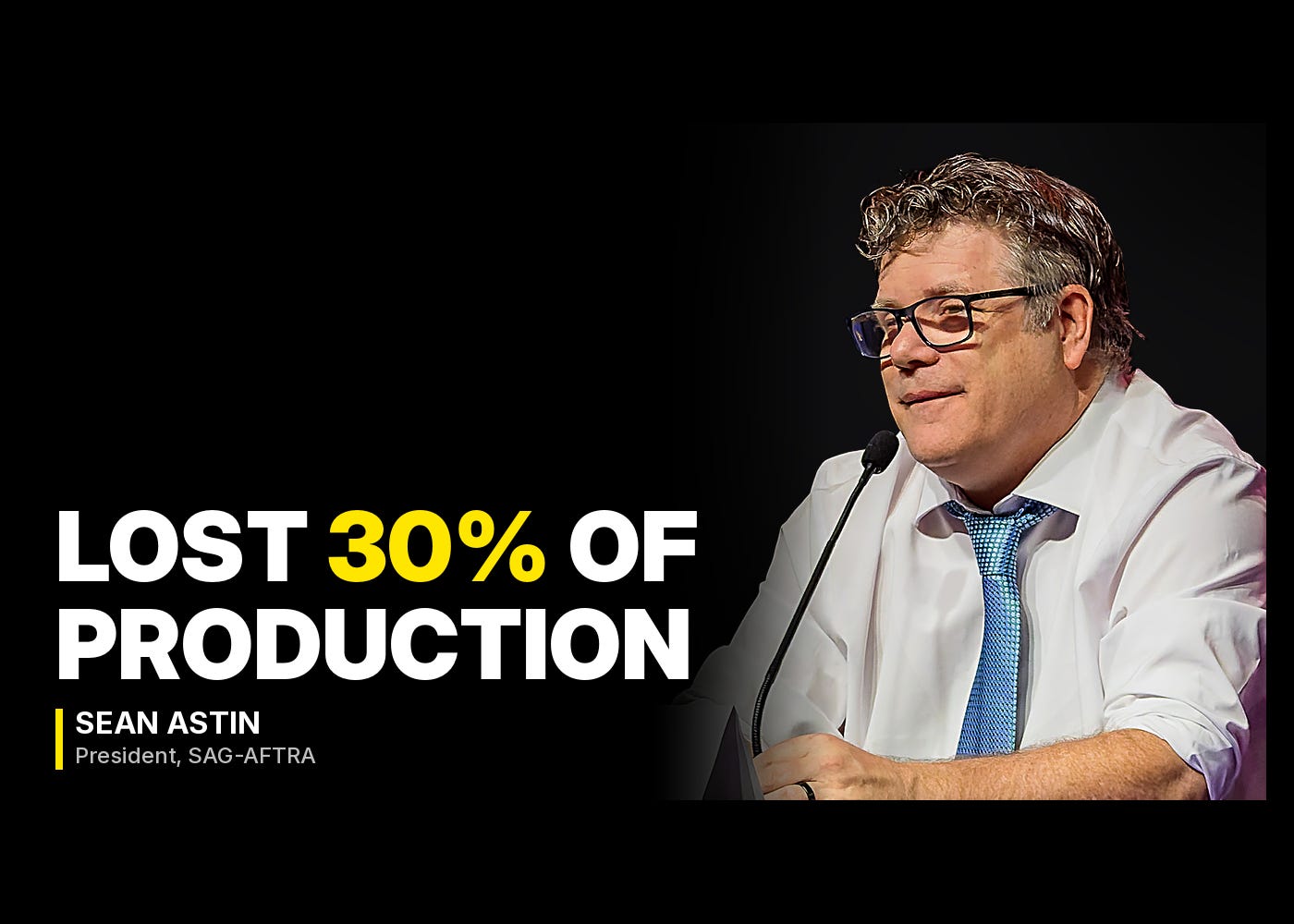
Photo: John Manard, CC BY-SA 4.0 via Wikipedia
Los Angeles motion-picture employment fell from about 142,000 to about 95,000 in four years.
Sean Astin, the actor who now serves as president of the performers' union SAG-AFTRA, blames streaming economics more than artificial intelligence for that collapse. Kevin Kelly, the co-founder of Wired, argues the bigger disruption is still ahead: an always-on AI companion that will know its user better than they know themselves.
"The idea of an exoself... is an A.I. agent that sits close to you in some way—your phone, your smart glasses or something—and it's always on, and it is watching everything you see, listening to everything you say. It will come to know you at least as well as you know yourself and maybe even better." — Kevin Kelly
Kevin's own standing comes from decades of calling technology's next shift first, as the co-founder of Wired and in the Substack essay that gave this idea its name, 'Quiet, My Exoself.'
The full episode is covered here so you can skip it. 59 minutes of audio, 8 minutes of reading.
Here are the 7 takeaways that matter.
Key Takeaways
Kevin Kelly expects an always-on AI "exoself" — living in smart glasses — within five years
Kevin argues human creativity is "not that magical" and is better understood as a process than a spark, calling people and AI both "stochastic parrots"
Eline Van der Velden built the AI performer Tilly Norwood for a female audience she calls "massively underserved"
Eline calls AI a "creative calculator" that still needs a human "structural engineer" and "script writer" behind it
Ethan Mollick says workplace AI adoption is "not even at first base," even though over half of American workers already use it
Ethan's research finds AI tests more creative than most people but far less diverse, clustering around tropes like "drowned cathedrals"
Sean Astin says Hollywood has lost roughly 30% of domestic production, and calls training AI on unlicensed footage "criminal"
1. Kelly's Five-Year Exoself
Kevin says the exoself will not stay theoretical for long.
Kevin expects people living with an always-on AI relationship within five years
"I would say in five years, I would think there would be people who have an always-on relationship... the kind of natural home for the exoself is going to be in smart glasses." — Kevin Kelly
Smart glasses, not phones, are the device he expects to host it, because an exoself has to see and hear everything a person does rather than wait to be opened like an app.
Even Kevin admits the risk of an exoself replacing real relationships
"I think that would be a danger... there's no doubt that there's going to be pathologies and people who get stuck on these who don't have friends." — Kevin Kelly
His answer to that risk is design, not denial: he argues a well-built exoself should actively push its user back toward real friends and partners rather than substitute for them.
