

The Important Part · Oct 14, 2026 · 42m · 33m saved
With Emma Grede, CEO and Co-founder of Good American and Founding Partner of Skims · Rebecca Patterson, Investor and Independent Director at Vanguard
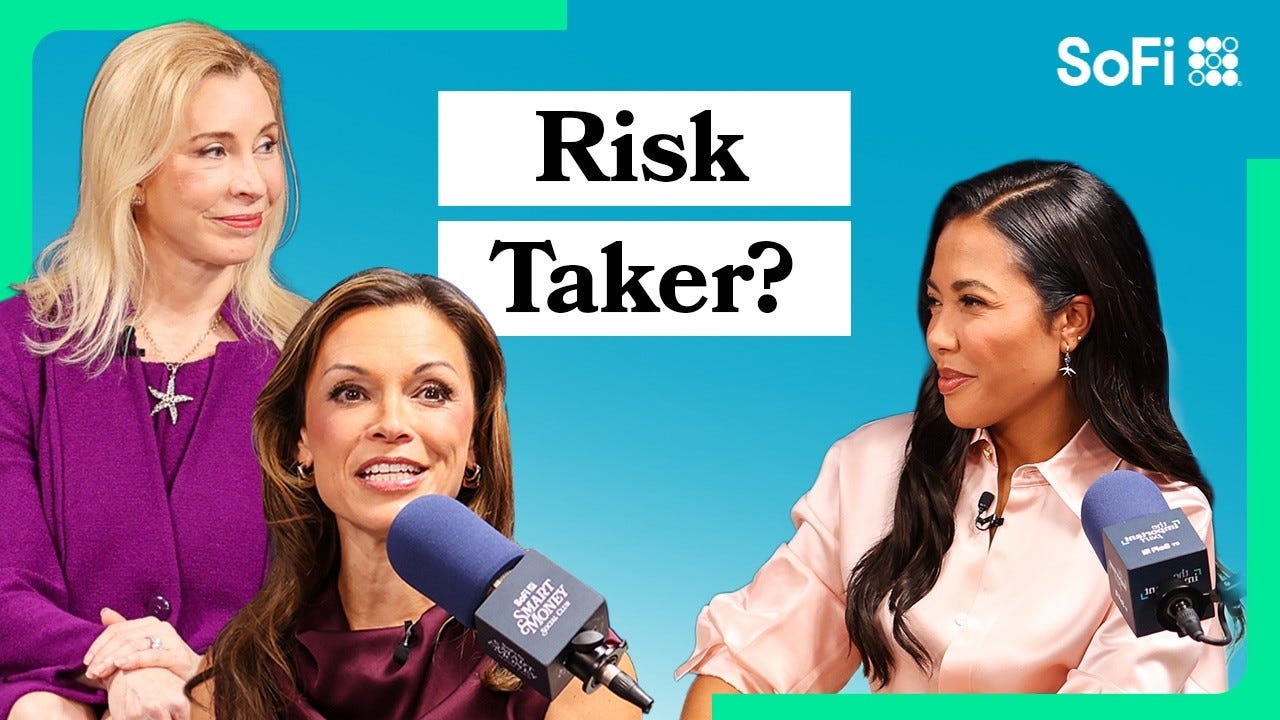
Emma Grede, CEO and co-founder of Good American and a founding partner of Skims, told The Important Part that she did not think of herself as an investor until her late 30s or early 40s.
Rebecca Patterson, an investor and independent director at Vanguard, spent 15 years at JP Morgan and still did not start investing her own money until her late 30s. Neither came to it early, and both said it cost them 20 years of compounding.
"I was always facing the money story of my life... I have met my money story head on." — Emma Grede
Emma grew up with a single mother in East London, started her first business at 24 and now has a New York Times bestseller, "Start with Yourself." Rebecca ran a global currency and commodity trading desk for JP Morgan's private bank through the 2008-09 financial crisis.
The full episode is covered here so you can skip it. 42 minutes of audio, 8 minutes of reading.
Here are the 9 lessons that matter.
Key Takeaways
Emma Grede saw staying where she was, not acting, as the real risk of a childhood in East London
Rebecca Patterson's mother saved every dollar of $244 a month in child support and paid for college with it
Being underpaid, not an entrepreneurial calling, started Emma's first business at 24
Being good at making money is not the same as being good at managing it
Emma called herself an excellent biller who could not say where the profits went
Stock markets rise roughly 8 years in 10, which is why Rebecca keeps risk in her portfolio despite a cautious temperament
Emma puts the gap between investing from the 20s and from the 30s at a second home
Both guests' advice: start now, even in small steps, and max out a 401(k)
1. Staying Still Was the Risk
Liz Thomas, chief market strategist at SoFi, recorded the episode live at SoFi's Smart Money Social Club in New York. She opened on how each guest's upbringing shaped her view of risk.
Emma grew up with a single mother in East London, in a household she called "devoid of glamour and aspiration." Her dyslexia went undiagnosed until her early 20s.
Emma Grede says the risk she felt as a teenager was standing still
"The risky part of my upbringing wasn't actually thinking about doing anything. It was thinking about staying where I was. That felt like the big risk to me." — Emma Grede
She started working as a child, first on a paper round and then in a deli. The reason was a belief she held early.
"No one was coming to save me. That whatever was going to happen in my life would be as a result of something I did." — Emma Grede
