

TBPN · Nov 9, 2026 · 2h 7m · 118m saved
With Jonathan Neman, Co-Founder and CEO of Sweetgreen · Bryce Strauss, Co-Founder and CEO of Nominal · Adam Blake, Co-Founder and CEO of Mavria · Adarsh Kulkarni, Co-Founder and CEO of Foundry Robotics · Josh Payne, Founder and CEO of Coframe
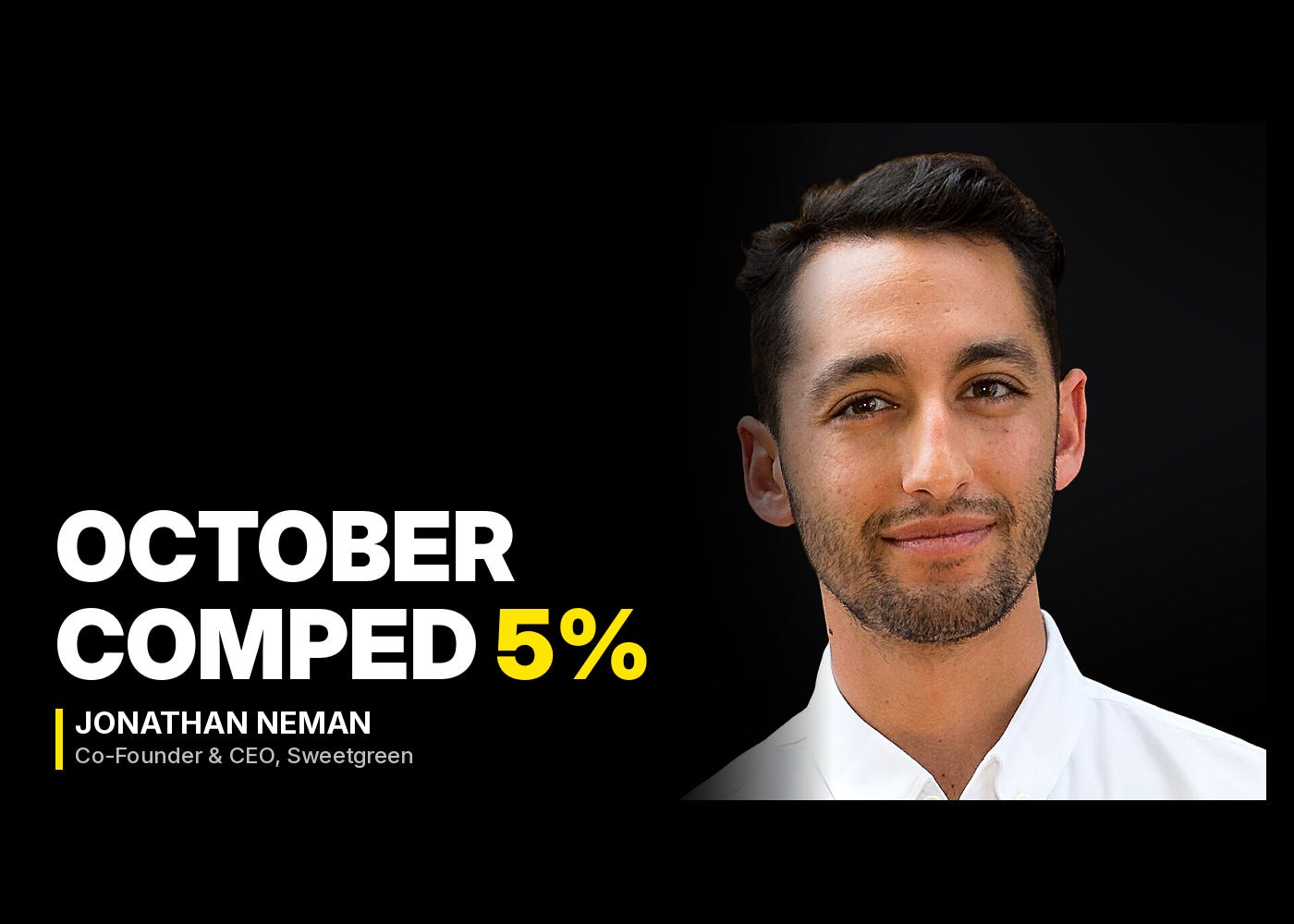
Photo: US Department of Labor, Public domain via Wikimedia Commons
Sweetgreen comped 5% in October after a lettuce-contamination scare it had no part in, and its AI-agent orders roughly doubled between June and October. Jonathan Neman, co-founder and CEO of Sweetgreen, told John Coogan and Jordi Hays on TBPN that AI assistants already place more orders with his chain than with companies doing many times its volume.
"It's interesting to me that we're seeing more agented traffic than companies that do... many more times our volumes. It's still small but growing rapidly." — Jonathan Neman
Jonathan was on to launch a dinner menu, and he used the time to explain why he would rather build Sweetgreen's own ordering agent than hand the customer to DoorDash or Uber Eats. Four founders followed him, each announcing a raise or a launch in industrial AI: Bryce Strauss of Nominal, Adam Blake of Mavria, Adarsh Kulkarni of Foundry Robotics and Josh Payne of Coframe.
The full episode is covered here so you can skip it. 127 minutes of audio, 9 minutes of reading.
Here are the 10 takeaways that matter.
Key Takeaways
Sweetgreen comped 5% in October, and November accelerated
AI agents order more from Sweetgreen than from companies many times its size
Sweetgreen will also run its own branded ordering agent
Drone delivery means fewer restaurants can serve the same demand, in Jonathan's view
Factory floors rarely have reliable internet, so Nominal's AI has to run without it
Mavria wants more than a gigawatt a year of data-center production by mid-2027
Foundry Robotics says design, not manufacturing scale, will become the moat in hardware
Josh Payne predicts AI agents will carry most US commerce traffic by 2029
1. Sweetgreen Comps Rose 5%
Jonathan opened on the quarter. The Cyclospora scare was traced to a single Mexican farm that supplied Taco Bell, not Sweetgreen, yet it still hit Sweetgreen's traffic through the summer.
Sweetgreen's same-store sales went flat in September, rose 5% in October and kept climbing
"We just reported Q3... The transformation strategy we're on is working. We saw September comps get flat as Cyclospora started to fade. October comped 5%... And November accelerated." — Jonathan Neman
Comps compare sales at restaurants open a year or more, so a flat month followed by 5% growth shows existing locations recovering, not new openings. The appearance itself was to launch Sweetgreen's dinner plates and a bigger rotisserie-style chicken.
