

Fintech Insider · Nov 23, 2026 · 58m · 47m saved
With David Jarvis, CEO and Founder of Griffin · Megan Caywood, CEO of Caywood · Paul Williams, Founder of DoorID
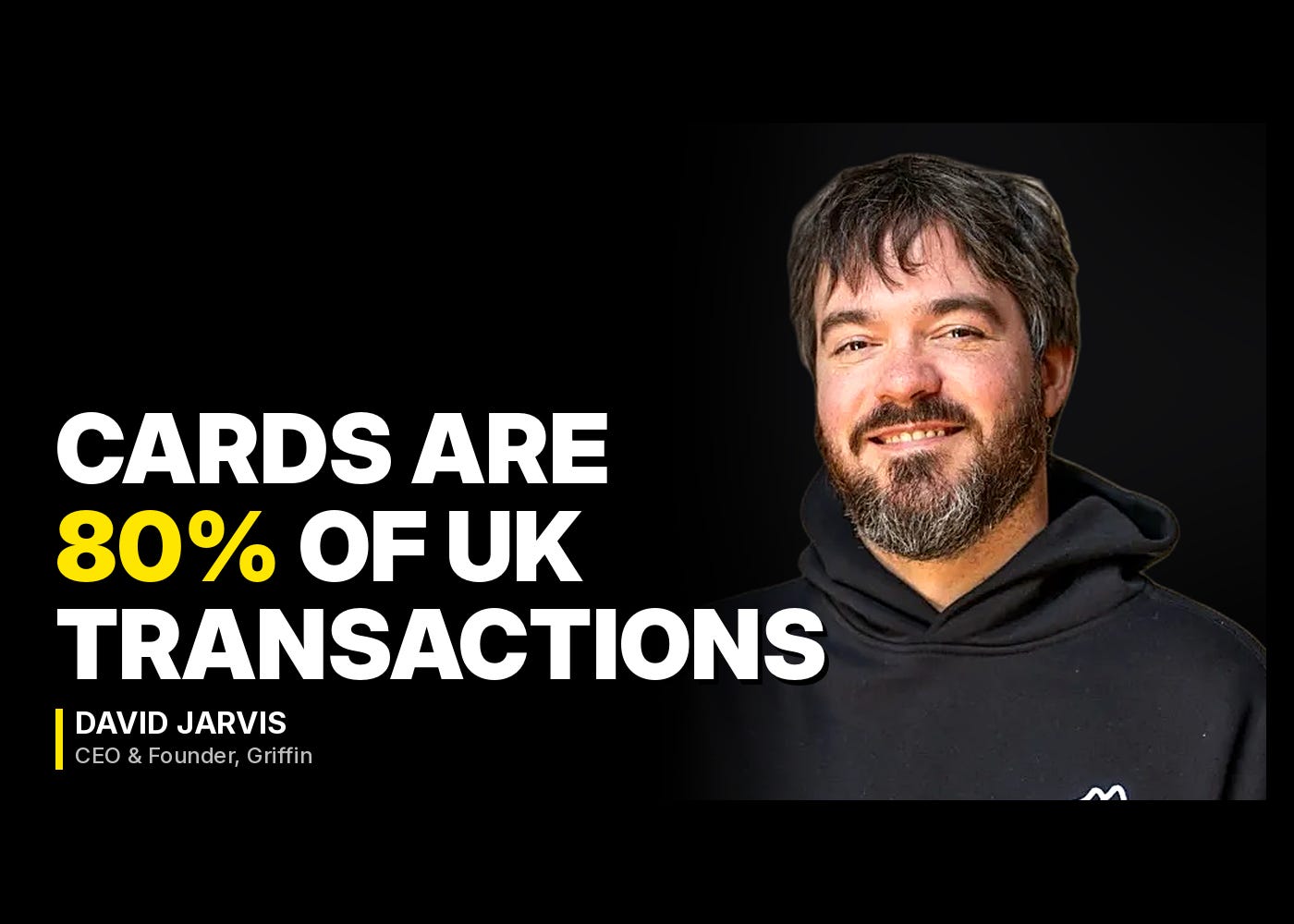
Photo via griffin.com
OpenAI's new ChatGPT Wallet lets US ChatGPT Pro subscribers store payment cards and send AI agents to shop and check out for them, with a fingerprint or Face ID approval on each purchase. David Jarvis, CEO and founder of the UK banking-infrastructure firm Griffin, Megan Caywood, who advises banks on AI-agent strategy through a firm bearing her name, and Paul Williams, founder of the fraud-prevention company DoorID, took the launch apart on the Fintech Insider podcast from 11:FS.
OpenAI rolled back its earlier Instant Checkout feature about eight months before this launch. Megan read the new product as OpenAI giving up on owning checkout and running on the card networks instead, while David said retailers face being cut out of the customer relationship whatever OpenAI decides.
"There's a lot of fear about this from the retailer side, and I really get it — they are foundationally going to be deeply disintermediated, and I don't see any way that that doesn't happen." — David Jarvis
David has just closed a $20 million Series B for a bank that more than 80 businesses use to serve their own customers. Megan advises banks around the world on their strategy for AI agents. Paul built DoorID after a customer of his vehicle-finance brokerage used generative AI to fake a photo of their own front door.
The full episode is covered here so you can skip it. 58 minutes of audio, 11 minutes of reading.
Here are the 12 takeaways that matter.
Key Takeaways
ChatGPT Wallet runs on the existing card networks rather than a checkout OpenAI owns
Megan expects agents to get a virtual card with a set amount and category instead of approving every purchase
David says retailers will be cut out of the customer relationship, and the person who delegates to an agent stays liable
Griffin's $20M Series B funds card issuing and stablecoin services, two products that need no new license
David says cards are still 80% of UK retail transactions
DoorID makes customers prove they are physically at the property before a high-value deal goes through
A customer faked the old front-door photo check with generative AI
Megan says detection loses to synthetic media, so lenders need presence, device and behavior signals
Starling founder Anne Boden's Lockwood is a bank built by agents, for customers who use agents
1. Wallet Runs on Card Rails
Ross Gallagher, Head of Consulting at 11:FS, opened on ChatGPT Wallet. Agents, which OpenAI calls Dots, shop on the user's behalf, and the merchant receives only tokenized card details.
Megan Caywood reads the launch as OpenAI choosing to work with the card networks instead of owning checkout
"What it's signaling is that rather than trying to own the checkout experience, they're leaning into institutional adoption. They're running on existing card payment rails, and they're understanding that agentic commerce is growing." — Megan Caywood
The earlier Instant Checkout feature tried to keep the purchase inside ChatGPT. This version leans on card issuers and networks such as Visa and Mastercard to carry the payment, which Megan took as a sign that OpenAI wants partners in payments rather than a fight with them.
