

The Pomp Podcast · Oct 3, 2026 · 49m · 35m saved
With Jordi Visser, Macro Investor and author of the VisserLabs Substack
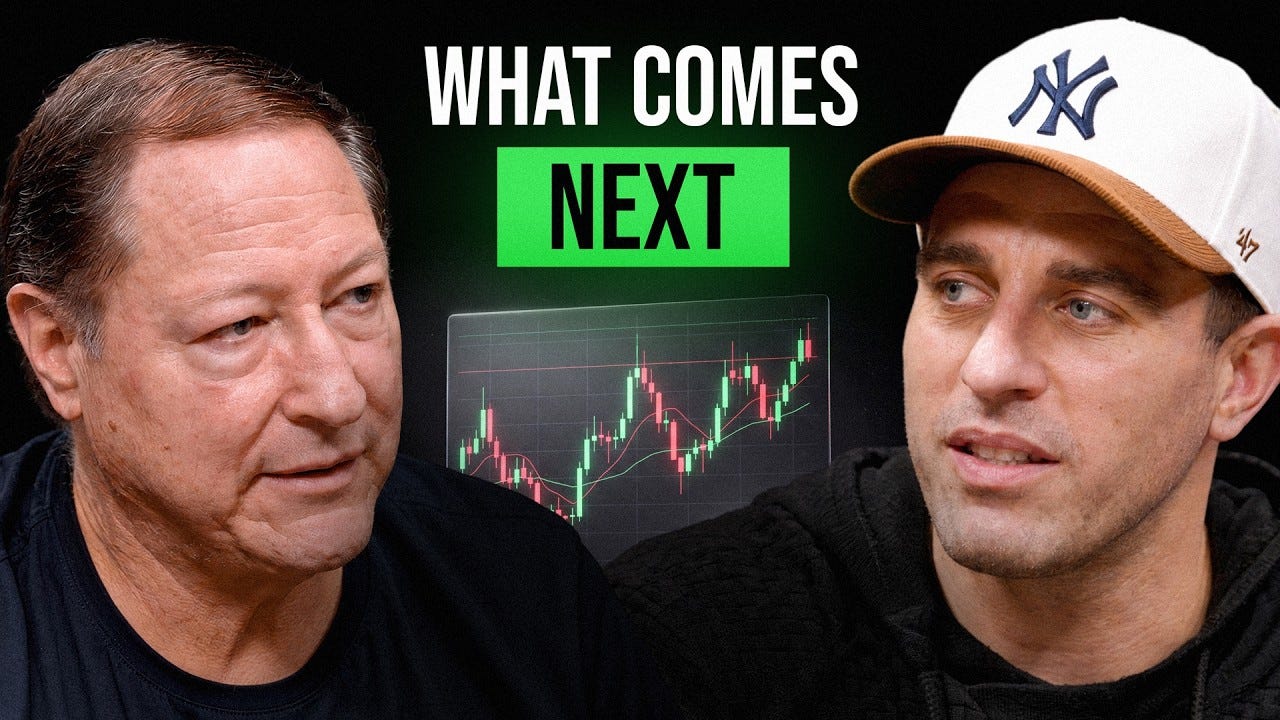
Jordi Visser says the equal-weighted index of 46 crypto names he built for his subscribers is up 50% this year, while Bitcoin itself is down.
Most investors Anthony Pompliano hears from in traditional finance are bracing for a crash as Treasury yields and oil prices climb. Visser said the economy those fears are modeled on no longer exists, and that the money moving into AI and crypto is the bigger story.
"I actually think it's stupid. Podcast over." — Jordi Visser
Jordi Visser, a macro investor with more than 30 years of experience who ran ETFs and traded derivatives at Morgan Stanley, made the case on The Pomp Podcast, where Pompliano, the host, pushed back on him over the outlook for OpenAI and Anthropic.
The full interview is covered here so you can skip it. 49 minutes of audio, 14 minutes of reading.
Here are the 10 calls that matter.
Key Takeaways
Rates at 20-year highs are a return to normal, not a warning sign, Visser said
Micron and Nvidia now bring in more revenue than Ford, GM and the homebuilders combined
In 2015 the older group was almost 20 times their size, he said
The AI trade has no sensitivity to interest rates, in Visser's view
The stocks hitting 52-week lows are consumer staples, utilities and real estate
Pompliano now sees a growing chance that OpenAI and Anthropic underperform expectations
AI agents will need instant settlement, which Visser said today's card networks cannot offer
Large allocators set the next year's portfolio in the fourth quarter, which is why Visser watches it
Wealth advisors face a hard year if clients hear of others making money in tokens
1. Rates Have Only Normalized
Pompliano opened by saying most investors he talks to from traditional finance fear a crash as interest rates, oil and the 10-year Treasury yield rise. Visser rejected the premise.
Rates sit at 20-year highs only because they were held at zero after the financial crisis
"So really what's happened to rates is they've normalized." — Jordi Visser
Visser said rates mattered more before the 2008 financial crisis because the US economy was built on autos and housing, which is why indicators such as the leading economic indicators and financial conditions indexes were created. He said the 10-year yield historically ran above the growth rate of nominal GDP, and that even at parity, today's yields are cheap against the economy's current growth.
"Now, that matters because GDP is growing at six and a half percent." — Jordi Visser
